
Tenerife Farming Co-op: Spain's Only Bankruptcy Comeback
A farming co-op in San Juan de la Rambla, Tenerife, led by Manuel Reyes, has uniquely recovered from bankruptcy to thrive through diversification and strategic management, despite current agricultural challenges.
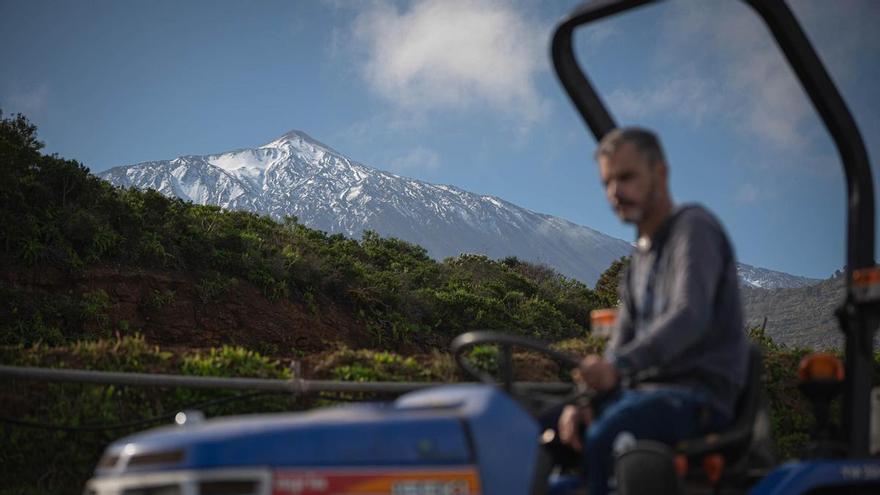
Farming co-ops in the Canary Islands are proving to be very strong, as shown by Manuel Reyes, who leads a farming co-op in San Juan de la Rambla, Tenerife. Reyes explained that his co-op managed to come back from bankruptcy, making it the only co-op in Spain to do so. They paid off their debts and kept their business going. This achievement highlights how crucial it is for local farmers to work together to survive economic challenges.
The co-op has 180 members, with about 50 actively involved, and produces between 600,000 and 700,000 kilograms of potatoes each year. Their strategy has grown beyond just selling their members' crops. They've branched out into other areas like wholesale fruit sales and running cafeterias. Thanks to this expansion, this year members haven't had to pay any fees for selling their potatoes. In fact, the co-op has even given them money to boost their earnings.
A major help in managing their produce is having cold storage rooms, which allow them to sell products gradually. This means they can sell potatoes from the spring harvest right through to late autumn. This is a big advantage compared to other potato-growing areas in Tenerife, like Benijos (La Orotava), where without cold storage, farmers often have to sell their crops informally. In the past, the co-op also grew leeks, a vegetable brought to the island by Canarians returning from England. They supplied these to major supermarkets until the financial crisis hit, forcing them to sell off assets like their facilities and special machinery.
Right now, the farming industry is facing problems because of the weather. The soil is too wet to plant this year's main potato crop, which is a big risk. Too much water can rot the potatoes and lead to huge losses if the fields get waterlogged. This is a worry, especially with more rain forecast for February, which is usually a wet month. On top of this, there's the threat of Mildew fungus. It badly damaged last year's crops, especially in the north of the island, due to humid and warm weather.
Manuel Reyes was born in Caracas in 1980 and moved back to Tenerife when he was five. He's a second-generation farmer, having taken over his family's 20,000-square-meter farm in Lomo Redondo in 2011. This was after working in education and earning master's degrees in Occupational Risk Prevention and Education and Gender studies. Despite these challenges, Reyes is hopeful about the next harvest. He stresses the importance of carefully managing the soil, especially when it's wet, to protect the land's long-term health.