
Tenerife Farmers Pivot to Dragon Fruit to Combat Water Scarcity and Profitability Crisis
Tenerife farmers are increasingly diversifying into dragon fruit production, leveraging the crop's water efficiency and high market demand to overcome the profitability crisis facing traditional agriculture.
Farmers in the Canary Islands are finding a way out of the profitability crisis affecting traditional tropical crops by diversifying their production. As reported by El Día, agriculture in Tenerife is shifting toward exotic varieties, with the pitaya—or dragon fruit—emerging as a standout success due to its climate adaptability and water efficiency.
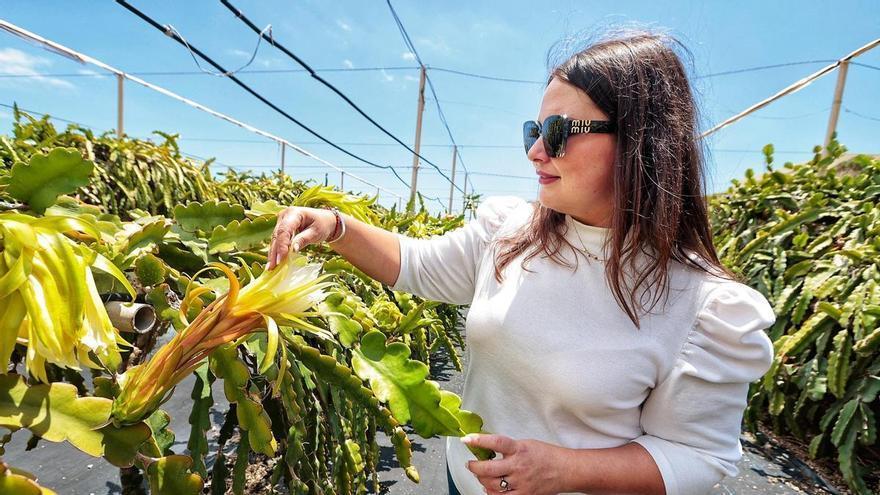
The success of this transition is largely driven by Pitaber, a business in Arico that has spent two decades perfecting the crop. What began in 2005 as a project supported by the Cabildo de Tenerife has transformed a family farm, once dedicated to export tomatoes, into a specialized producer of dragon fruit varieties like Reina, Dragón, Arena, King, and Fuego. The company now produces 100,000 kilos of fruit annually.
From an agricultural standpoint, the pitaya holds a major advantage over traditional crops like bananas. While a banana plant requires 22 liters of water every day, a pitaya plant needs only 8 liters per week—a crucial difference in a region with limited water supplies. Farm manager Isora García notes that this efficiency, paired with the fruit’s high nutritional value, has allowed local demand to consume their entire harvest. This has shifted the farm’s focus away from its original export market in Germany.
Growing pitaya requires significant technical skill, as the plants have delicate nocturnal flowers and require precise harvesting techniques. The farm currently manages five hectares of crops, one of which is certified organic. This shift represents a broader trend across the islands: farmers are increasingly moving toward high-value crops with smaller environmental footprints to ensure the long-term stability of the rural economy.