
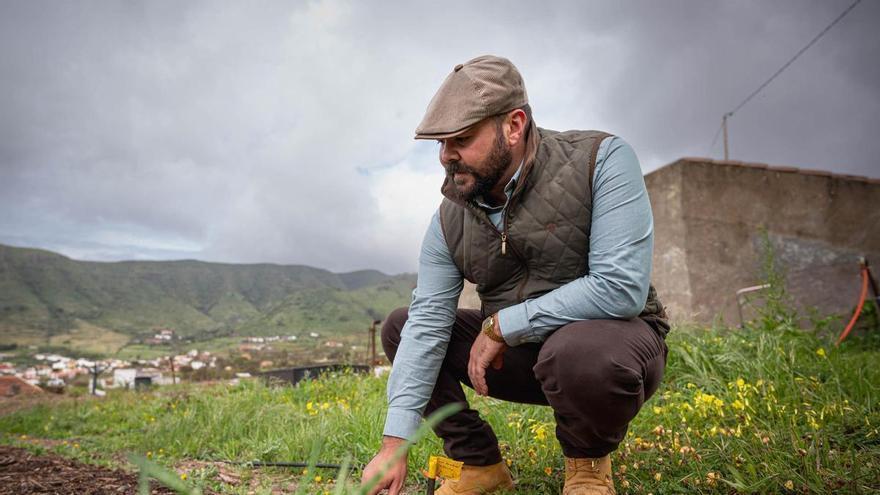
Tenerife Farmers Form Collective to Champion Regenerative Agriculture
A collective of ten farmers in Tenerife has launched AVARTE, an initiative promoting regenerative agriculture to restore degraded soil health and reduce reliance on synthetic fertilizers across the Canary Islands.
Ten farmers in the Canary Islands have formed a collective called AVARTE to address the declining health of the region's farmland. They argue that Tenerife’s soil is in a critical state and that a major shift in how we manage the land is long overdue.
The group believes the current farming model—which relies heavily on synthetic fertilizers and poor management—has damaged the island’s water supply and killed off the soil's natural vitality. They point out that the overuse of nitrogen and raw organic matter has disrupted the chemical and biological balance needed for healthy crops. This not only lowers productivity but also reduces the nutritional value of the food we eat.
Instead of relying on chemicals, AVARTE is championing regenerative agriculture. They view soil health as the most important factor in farming, arguing that a healthy ecosystem can naturally control pests. By encouraging local biodiversity and native predators, the land can begin to self-regulate, making crops more resilient without the need for artificial intervention.
This approach is particularly important for an island with limited resources and a growing number of abandoned farms, such as those in Tegueste. The collective believes that soil recovery is entirely possible; they estimate that farmers can see real results within six months, proving that regenerative practices are a powerful tool against desertification.
AVARTE’s mission aligns with European goals to reduce chemical use, showing that it is possible to produce food while protecting the environment. Their goal is to move toward farming methods that mimic nature, turning agriculture into a way to restore the island’s landscape rather than a burden on it.