
Tenerife Faces Growing Social Emergency as Housing Crisis Deepens
Tenerife is facing a deepening housing emergency as rising rental costs and a lack of public housing stock leave thousands in extreme insecurity, prompting calls for urgent market regulation and systemic reform.
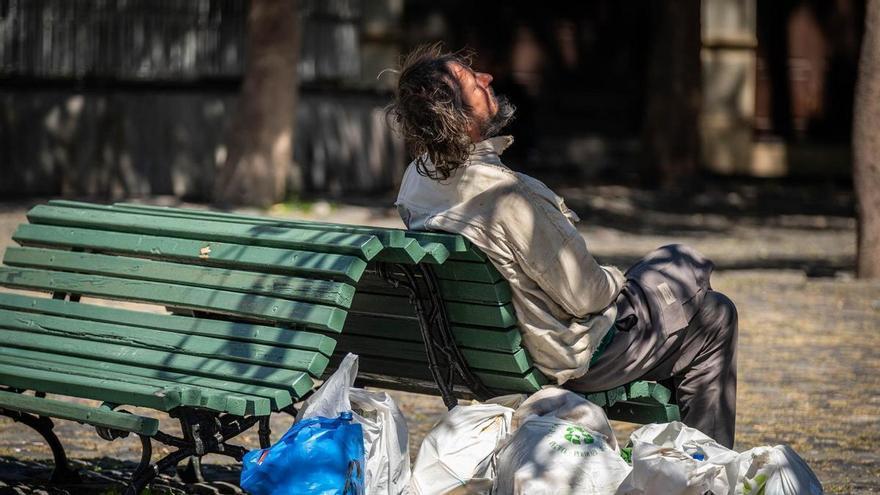
Tenerife’s housing crisis has reached a breaking point, evolving from a statistical concern into a chronic social emergency. A recent report by Cáritas reveals that 2,853 people on the island are facing extreme housing insecurity. Santa Cruz de Tenerife is at the center of this crisis, accounting for 35% of these cases. This is not a temporary issue; it is being fueled by a rental market where prices in the capital have risen by over 5% in the last year, now averaging 13 euros per square meter.
There is a clear disconnect between the government’s response and the root causes of homelessness. While the Santa Cruz City Council has invested a record 14 million euros into social policies—including food and rent support—the Tenants' Union argues these are merely stopgap measures. They point out that public housing makes up less than 3% of the total available stock. Furthermore, social groups argue that the failure to declare the city a "stressed area" prevents the use of rent controls that could stop lower-income residents from being priced out of their homes.
The crisis also has a critical gender dimension. While men make up the majority of the homeless population, 25% are women. These women often hide their situation to avoid the violence and exploitation associated with living on the streets. This invisibility makes it difficult for them to access support, as many existing services lack protocols specifically designed for women.
Public health is also suffering. Nearly 40% of those affected report a severe decline in their physical and mental well-being, largely due to the inability to maintain basic hygiene and rest. For more than half of those affected, this has been their reality for over a year. Despite programs like "Housing First" and emergency apartments, the current shelter system is overwhelmed by a demand that is rising alongside the cost of living.
Ultimately, the debate is between the city’s current care network and the need for broader housing reform. While the local government defends its efforts, social advocates insist that without direct intervention in the real estate market—such as utilizing vacant properties and regulating second homes—housing insecurity will remain a growing threat to Tenerife’s working class.