
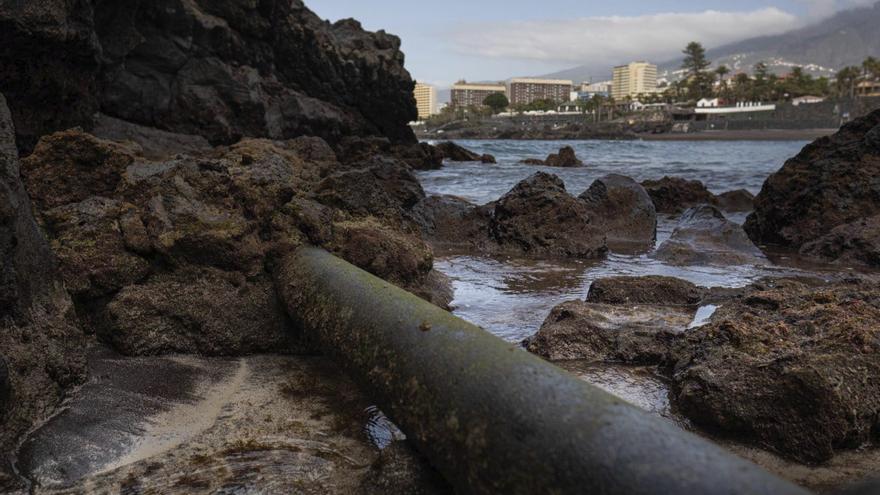
Tenerife Faces Environmental Crisis Over Massive Untreated Sewage Discharges
Tenerife faces a mounting environmental and legal crisis as systemic failures in sewage infrastructure lead to massive untreated wastewater discharges, triggering criminal investigations and significant European fines.
Managing Tenerife’s sewage system has become a major political and legal crisis that goes far beyond simple technical issues. Recent reports reveal a long-standing failure to connect many residential areas to the island’s sewage treatment network. As a result, over 62.5 million cubic meters of untreated wastewater—enough to fill 9,000 Olympic-sized swimming pools—are dumped into the environment every year. This not only damages local ecosystems and beaches but also leaves the island facing heavy fines from European authorities.
To address this, the Tenerife Island Council (Cabildo) has redirected over 70 million euros from its 2023–2031 municipal plans toward expanding sewer networks. The goal is to fix a glaring inefficiency: while the island has boosted its treatment capacity with new plants in Granadilla and Guía de Isora, many facilities are underused because they aren't connected to the homes they are meant to serve. The Valle de Güímar plant, for example, is struggling to operate effectively simply because the waste isn't reaching it.
The situation has also led to criminal investigations. On February 8, a trial will begin against several current and former officials accused of environmental crimes related to illegal discharges at the Valle de Güímar Industrial Estate. Similarly, in Puerto de la Cruz, the long-term closure of Playa Jardín—which was off-limits for nearly a year between 2024 and 2025—has triggered a separate judicial probe. These cases highlight a systemic failure: out of 180 identified discharge points on the island, only 59 are properly authorized.
Environmental experts warn that the current budget is nowhere near enough to cover the estimated 500 million euros needed to fix the problem. This crisis is the legacy of decades of rapid urban growth that ignored the need for basic infrastructure. As the island continues to pay millions in European fines, the focus is shifting toward the urgent need for a long-term, non-partisan plan to finally connect the sewage network and clear up what remains Tenerife’s most significant environmental black spot.