
Tenerife Faces Coastal Safety Crisis Amid Rising Drowning Deaths
Tenerife is facing a coastal safety crisis as rising drowning incidents and the influence of social media prompt officials to consider stricter enforcement and fines to deter reckless behavior in high-risk areas.
Tenerife is facing a growing crisis in coastal safety, as recent statistics label the island as the most dangerous spot in the Canaries for aquatic accidents. According to the association Canarias, 1.500 kilómetros de costa, the island recorded 24 deaths and over 100 incidents across 53 locations in 2025. This trend has only worsened, with drowning deaths across the archipelago rising by 15% in the first half of 2026.
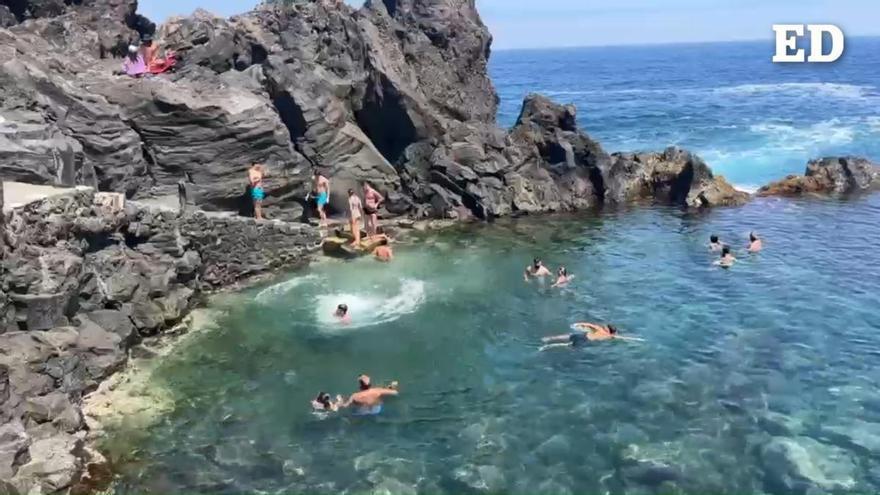
While 25 of the island’s 28 coastal municipalities work to manage these risks, resources are unevenly distributed. Popular beaches like El Socorro in Los Realejos have permanent lifeguards, but other high-risk areas—such as El Tancón or Isla Cangrejo—remain unmonitored due to swimming bans or difficult terrain. In the north, the powerful Atlantic surf and rocky coastline make rescues particularly challenging, as seen recently at the El Viento rock pool in La Guancha, where officials are still deciding whether to provide lifeguard coverage for the summer.
Social media has further complicated the issue. Sebastián Quintana, president of the safety association, warns that viral posts promoting hidden coves and rock pools often downplay the real dangers of these locations. In response, local councils are trying various solutions, from hiring seasonal lifeguards to installing "smart" rescue totems equipped with lifebuoys.
However, experts argue that more personnel is not enough. Quintana suggests that water safety should be treated with the same seriousness as road safety, proposing that municipalities introduce fines for those who ignore warning signs. The goal is to use the threat of financial penalties to deter reckless behavior in prohibited areas. With Tenerife currently seeing significantly higher death rates than Gran Canaria despite similar population sizes, there is an urgent need for a more consistent and rigorous safety policy across the entire island.