
Tenerife Expands Titsa Bus Fleet With New Double-Deckers to Meet Record Demand
Tenerife is expanding its Titsa bus fleet with high-capacity double-decker vehicles to accommodate record-breaking passenger demand while simultaneously reducing carbon emissions.
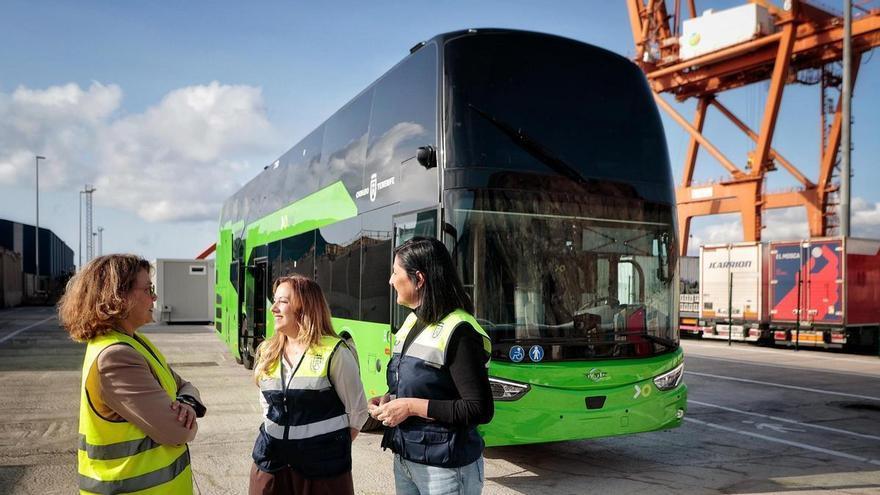
Tenerife is undergoing a major transformation of its transport network to keep up with rising demand. The Island Council (Cabildo) recently added two new double-decker buses to the Titsa fleet, which arrived at the port of Santa Cruz last Sunday. These are part of a larger plan to bring thirteen such vehicles to the island, three of which have already arrived.
Built by the manufacturer Ayats, these buses are designed to handle high passenger numbers on the busy TF-1 and TF-5 highways. Each bus seats 85 people—significantly more than the 59 seats in standard models—and will be used to bolster key routes like the 108, 110, and 112. The new vehicles also feature modern accessibility and safety upgrades, including facilities for passengers with reduced mobility, specialized lighting for the visually impaired, and mobile device connectivity.
This expansion comes as Titsa reports record-breaking usage. In 2025, the company carried 87 million passengers, a 6.13% increase over the previous year and a total rise of 40 million since the introduction of free travel. To support this growth, the island’s administration has increased its transport budget from 17 million euros in the previous term to over 153 million today—an investment jump of more than 800%.
Eulalia García, the Minister of Mobility, noted that the system now offers 160 million seats annually, which is double the current demand, and has added 713 daily trips compared to 2022. These improvements place Tenerife on par with major European cities like Stockholm and ahead of cities like Seville in terms of transport capacity.
The modernization effort also prioritizes sustainability. Even though the fleet covered 2.3 million more kilometers this year, upgrading to newer vehicles has helped reduce polluting emissions by 7.66% between 2024 and 2025. This balance between expanding public transport and meeting decarbonization goals is a vital step for the island as it manages high levels of both local and tourist traffic.