
Tenerife Emergency Dispatcher Guides Couple Through Successful Home Birth Resuscitation
A newborn in Tenerife was saved after a Canary Islands Emergency Service nurse provided life-saving neonatal resuscitation instructions over the phone during a sudden home birth.
Emergency services rely on more than just fast vehicles; effective remote guidance is often the key to saving lives. Recently, the Canary Islands Emergency Service (SUC) demonstrated this when a telephone intervention proved vital in saving a newborn in Candelaria, Tenerife, after a sudden home birth.
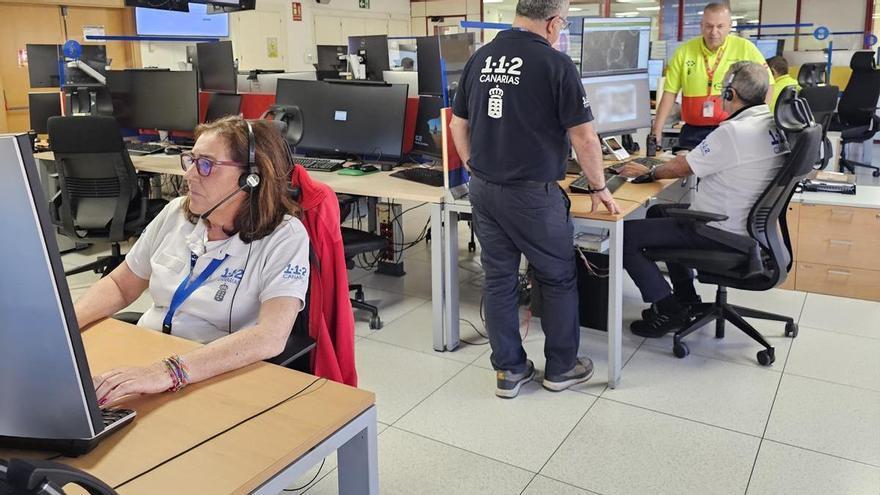
The incident involved a 40-year-old woman and highlights how critical teleassistance protocols are in emergency obstetrics. When the SUC received the call, the birth was already well underway. Coordinators immediately dispatched an ambulance with medical staff while keeping a direct line open to those at the home.
The situation became critical when the mother’s companion reported that the baby was not breathing and showed no vital signs. A coordinating nurse immediately stepped in, guiding the people on-site through the necessary steps to clear the baby’s airways and perform neonatal resuscitation. Thanks to these clear instructions, the baby was stabilized and began to cry before the medical team arrived.
This event underscores the importance of basic first aid training and the ability to stay calm under pressure—two factors the SUC says are essential for successful emergency outcomes. After the initial stabilization, both mother and baby were taken to the hospital, where they are currently under observation and doing well. The case serves as a powerful reminder that teleassistance is an indispensable tool, capable of saving lives in the crucial minutes before professional help arrives.