
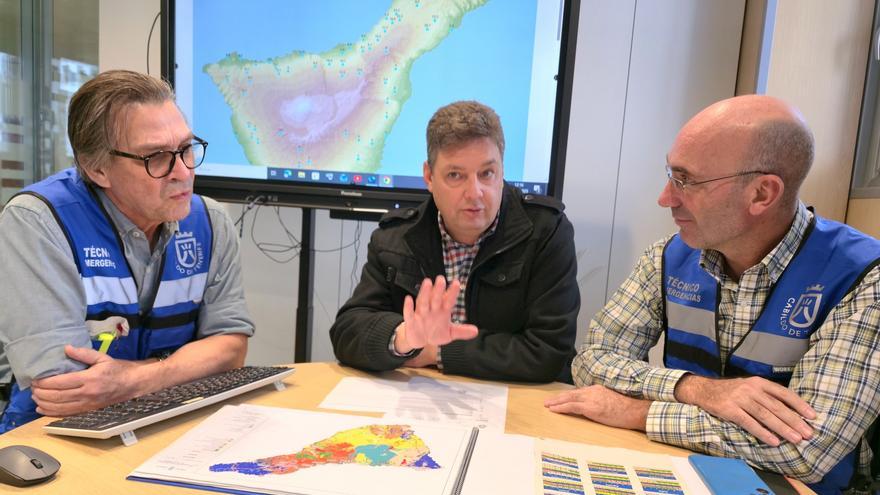
Tenerife Emergency Chief Details Two Years of Prevention Focus
Tenerife's Island Director of Emergencies, Iván Martín, reports two years of intensified prevention efforts, highlighted by the Garachico eruption drill, and ongoing improvements in inter-agency coordination and island-wide preparedness.
Iván Martín, who has a degree in Labor Relations, is the President of the Tenerife Firefighters Consortium and the Island Director of Emergencies. He has been in this role for over two years, and he points to last September's eruption drill in Garachico as one of the most significant actions they've undertaken.
Over the past two years, our main focus has been on prevention, as it's the most effective way to lessen the impact of emergencies. Since taking office, we've tackled key priorities. These include the "Plan de Medianías" for preventing fires in areas where urban and wildland meet, and workshops run by the Firefighters Consortium to stop house fires. We also held the international drill in Garachico, which helped us test emergency procedures in a realistic setting. We've also boosted self-protection and first aid training for volunteer Civil Protection groups and associations, who we greatly respect, and encouraged more island residents to get involved in safety. On top of that, we've given these groups new equipment and special vehicles, making them better able to respond to difficult situations.
The Cabildo (Tenerife's island government) has focused on being prepared and preventing issues, especially given the island's vulnerability to various dangers. We've stressed how important it is for different government bodies and emergency services to work together effectively. This includes setting up early warning systems, which are vital for a quick response to any incident. The major forest fire in 2023 clearly showed that all resources need to be better coordinated. Good communication and a synchronized response are essential, so we've improved our emergency plans to make the best use of resources and reduce damage. Tenerife's planning and communication system is strong, but we're not resting on our laurels. We're moving towards a more proactive approach, using predictive systems like the Command and Control Dashboard. This helps us make informed decisions and improve how we respond to emergencies. Our goal is to anticipate any situation and understand what we'll face.
Yes, reasonably so, though there's always room for improvement. Coordination with local councils (municipalities) is absolutely crucial. We've given Tetra communication equipment to all 31 municipalities so they can stay connected during all events, whether routine or emergencies. A recent example was our coordination during storms Claudia and Emilia, where we kept constant contact with the local Coordination Centers (cecopales). We're providing special technical and financial support to municipalities with fewer than 20,000 residents.
While there's always more to do, we've made significant strides in prevention. Projects like the upcoming Teno meteorological radar and efforts to raise public awareness about their surroundings show how we're boosting our ability to prevent problems. This governing group is committed to anticipation and a forward-looking approach.
The Garachico drill was very successful. It helped us assess our coordination and protocols for a volcanic emergency. Over a thousand people took part, and we used technologies like 'ES-Alert,' which showed our progress, even though we also found areas where we could do better. Drills involving infrastructure like roads, water, and electricity, as well as evacuation procedures, were very positive and valuable. A common question among different government bodies is whether we have enough people and equipment to handle a major emergency. Here at the Cabildo de Tenerife, we've strengthened our ability to respond after experiencing several catastrophic events over the past 20 years. This has significantly improved our readiness for major emergencies. We are increasing staff numbers and professionalizing roles within both the Department and the Firefighters Consortium.
Looking ahead, a key step will be to fully establish the Island Operational Coordination Center (Cecopin), located in the Santiago Martín Pavilion. We are currently restructuring and improving it to make our emergency services even more professional. My personal wish is to leave a legacy of having helped improve the protection of people, property, the environment, and animals in Tenerife, and to foster greater awareness and resilience among the island's residents. Training the nearly one million people who live here in emergency procedures is a major challenge and a goal that could truly make a difference, saving many lives.