
Tenerife Duo Completes 320km Electric Scooter Circumnavigation, Sparking Safety Debate
Two men from Tenerife have successfully circumnavigated the island on electric scooters, sparking a national debate over the safety and regulatory limits of using personal mobility vehicles for long-distance travel.
Two young men from Tenerife have successfully circumnavigated the island on electric scooters, sparking a fresh debate about the capabilities and limits of personal mobility vehicles. As reported by El Día, Diego Alejandro Chávez Mesa and Alejandro Trujillo covered roughly 320 kilometers over a single weekend, pushing both their own physical endurance and the technical limits of their equipment.
The journey, which started and finished at a repair shop in the El Toscal neighborhood of Santa Cruz, was their third attempt. After mechanical issues cut their 2021 trip short and bad weather halted another attempt in early 2026, the pair finally succeeded by carefully optimizing their gear. Their route took them through challenging areas, including Santiago del Teide and northern forest trails, highlighting how heavily these vehicles rely on finding electric charging points.
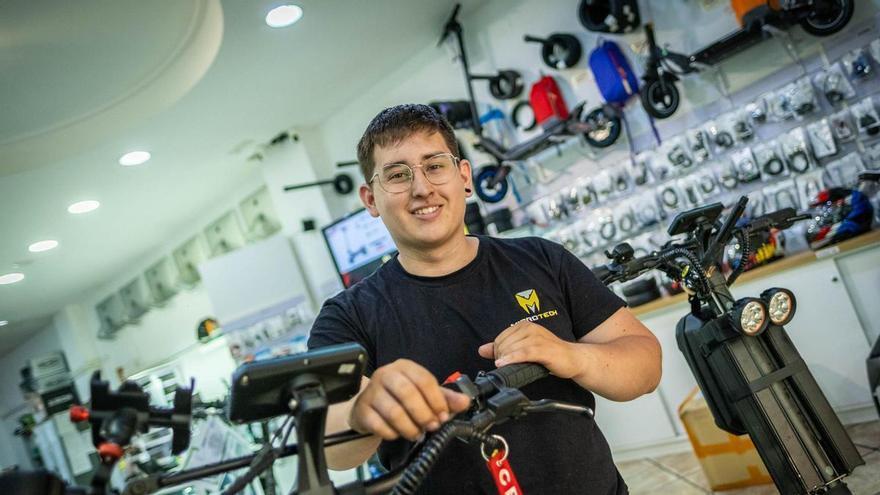
For Chávez Mesa, who runs a specialized repair shop and has a background in electronics, the trip proved that deep technical knowledge of batteries and propulsion is essential for such long-distance travel. The journey was grueling; the pair had to use improvised solutions to keep their batteries running and struggled with exhaustion and sleep deprivation. These challenges underscore the significant risks of using urban transport technology in rugged, long-distance environments.
The feat has also highlighted the social divide regarding electric scooters. While the duo faced criticism on social media over road safety concerns, they also received support from hikers and locals along the way. Ultimately, the story sits at the center of a growing conversation: as these vehicles are pushed beyond their intended urban use, there is an urgent need for regulations that balance technological innovation with public safety.