
Tenerife Deploys Drone Fleet to Combat Rising Coastal Drowning Deaths
Tenerife has integrated a fleet of aerial and aquatic drones into its maritime rescue operations to combat a rising number of water-related fatalities across the island's challenging coastline.
Tenerife is transforming its maritime rescue operations by integrating unmanned technology, marking a major shift in how the archipelago handles emergencies. Faced with 19 water-related deaths so far in 2026—the third-highest rate in Spain—the island has adopted a dual strategy using both aerial and aquatic drones.
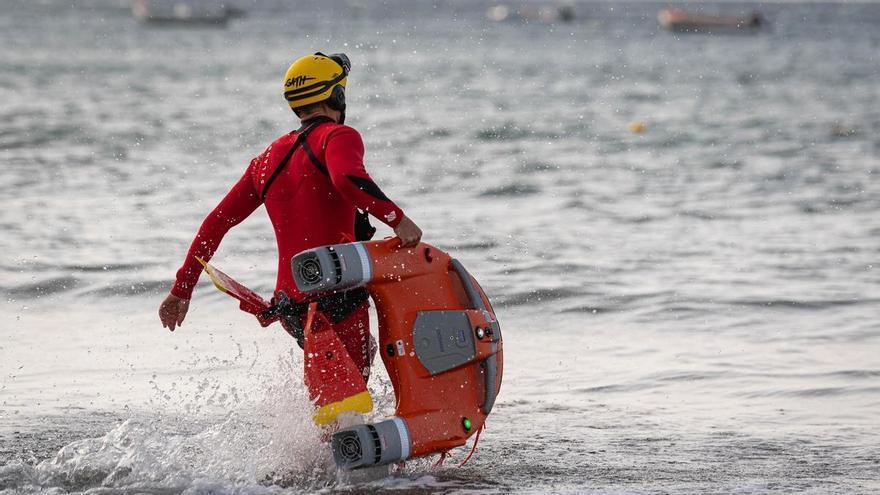
Launched last July with a 240,000-euro budget, the Island Aquatic Rescue System (SIRA) has deployed 30 remote-controlled surface units to coastal municipalities and the Tenerife Fire Consortium. These devices, which can deliver flotation equipment to people in distress, have already proven their worth in critical situations, including locating a missing diver in Santa Cruz and rescuing swimmers caught in rough surf in Santiago del Teide.
The aerial component has also become vital for coastal surveillance. A fleet of at least 18 drones, equipped with thermal sensors and high-resolution cameras, is now used to monitor hard-to-reach areas like caves and cliffs. Their use has grown significantly, rising from a single intervention in 2023 to eight this year, helping teams keep a closer watch on 107 identified high-risk locations.
This technological push is a direct response to a concerning regional death toll of 49 people this year, including seven minors. Given the Canary Islands' challenging terrain—filled with natural rock pools and dangerous currents—traditional surveillance is no longer enough. To address this, the regional government is developing its first beach safety plan. This initiative aims to provide smaller municipalities with the legal framework and funding needed to professionalize rescue services across the entire coastline.