
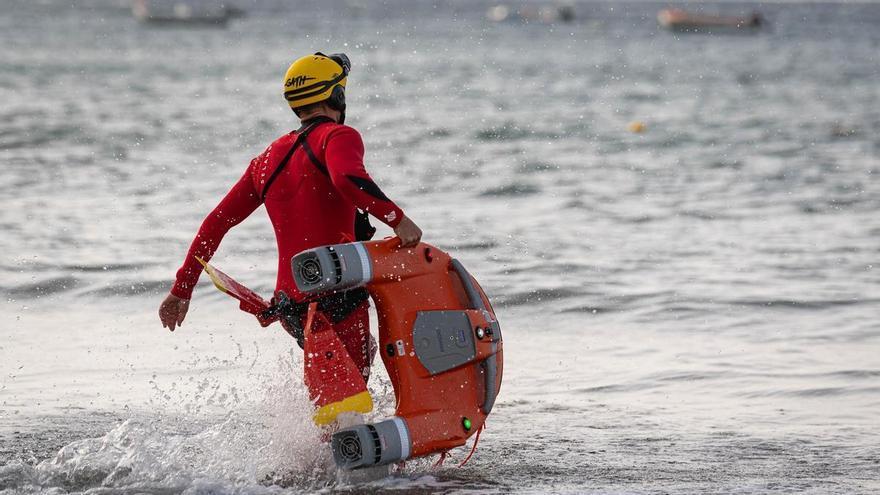
Tenerife Deploys Aquatic Drones to Combat Rising Drowning Deaths
Tenerife has launched the Island Aquatic Rescue System, deploying 30 advanced rescue drones across its coastline to combat a significant rise in drowning incidents.
Tenerife is overhauling its coastal safety measures following a sharp rise in water-related accidents. The Tenerife Island Council has launched the Island Aquatic Rescue System (SIRA), a new strategy aimed at reducing the number of drownings, which have become a major concern this year.
The urgency of this initiative is clear: in 2026 alone, Tenerife has seen at least ten deaths by drowning, accounting for nearly 40% of all such fatalities in the Canary Islands. This puts Tenerife in a critical position, behind only Andalusia and Galicia in national rankings. Across the Canary Islands, there have been 39 deaths—including five children—and nearly 100 people have required water rescues in the first half of the year.
To combat this, the island is investing 250,000 euros in 30 aquatic drones. Each of the 28 coastal municipalities will receive one unit, with the remaining two assigned to the Fire Consortium in Guía de Isora and La Laguna. These locations were chosen based on a study that identified 107 high-risk areas, such as rocky coves and tide pools, where half of all rescue operations take place.
These drones are a significant upgrade for emergency services. They feature a 60-minute battery life, an 800-meter operating range, and can be controlled remotely from the shore or by a lifeguard. Designed to handle rough weather, the drones provide immediate flotation for victims, reducing the risk to rescuers and speeding up response times. The Fire Consortium notes that the drones are highly durable, can right themselves if they capsize, and can be deployed from heights of up to 20 meters.
This project is part of a wider effort by the regional government to professionalize beach safety and address legal gaps that have previously made it difficult for smaller municipalities to manage lifeguard services. By combining this new technology with specialized training, the island aims to significantly improve the safety and management of its coastline.