
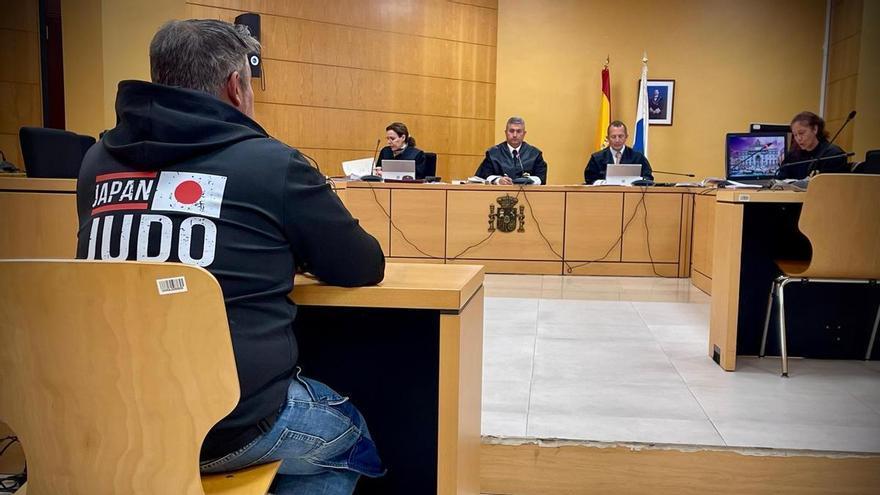
Tenerife Court Hears Fraud Trial Over Alleged Exploitation of Alzheimer’s Patient
The Provincial Court of Santa Cruz de Tenerife has concluded the trial of a man accused of defrauding an elderly Alzheimer’s patient through forged documents and unauthorized financial exploitation.
The Provincial Court of Santa Cruz de Tenerife has spent this week hearing the trial of a man accused of aggravated fraud. Prosecutors are seeking a six-year prison sentence and 73,000 euros in compensation, according to local reports. The case underscores the vulnerability of elderly individuals to breaches of trust—a matter Spanish courts treat with particular severity when there is evidence that someone has taken advantage of a person’s declining cognitive health.
At the heart of the case is a series of financial transfers received by the defendant. The defense argues these were part of a personal loan with a repayment plan of 50 euros per month—a schedule that would take over a century to complete. However, the prosecution contends this is a fraudulent scheme, alleging that the defendant forged a private document to make the theft of funds appear legitimate.
The case has been complicated by the fact that the victim, who suffers from Alzheimer’s, cannot testify, and the primary witness has since passed away. Consequently, the court has allowed statements made during the initial investigation to be used as evidence. In those statements, the victim described a pattern of abuse, including unauthorized access to her home, the use of her utilities, and the occupation of her property while she was away. She also noted that the defendant had referred to her as lacking the capacity to make her own decisions.
Beyond the bank transfers, the case details how the defendant allegedly used the woman’s vehicle to secure pawn loans. The victim’s family was ultimately forced to pay off this debt to prevent the car from being seized. The trial has now concluded, with the court set to deliver a verdict that will address the legal validity of private agreements made between parties with significantly different levels of legal capacity.