
Tenerife Court Clears Path for Major Drug Trafficking Trial
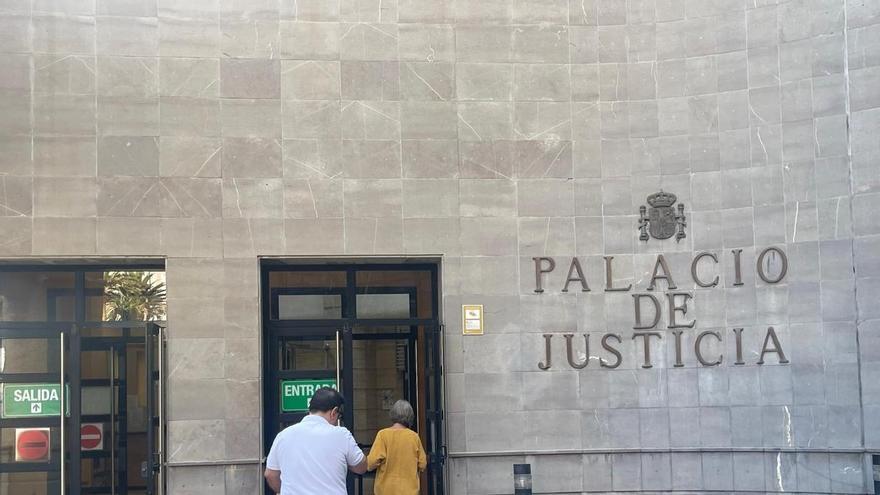
The Provincial Court of Santa Cruz de Tenerife has cleared the way for a major drug trafficking trial involving 64 defendants accused of using legitimate port infrastructure to smuggle narcotics from South America.
The Provincial Court of Santa Cruz de Tenerife has cleared the way for a major drug trafficking trial to proceed. Judges rejected appeals from 20 of the 64 individuals under investigation, ruling that the original inquiry—conducted between 2016 and 2018—was handled fairly and that the accused had every opportunity to defend themselves.
The case, which began in La Laguna, centers on a highly organized criminal network that operated like a business. Prosecutors allege the group used legitimate stevedoring companies to smuggle narcotics from South America through ports and airports in Tenerife, La Palma, and Gran Canaria. In an indictment filed last September, the Public Prosecutor’s Office requested prison sentences of up to 14 years, along with multi-million euro fines, for charges including drug trafficking and belonging to a criminal organization. Defense lawyers are now preparing their arguments, largely focusing on the length of time the investigation has taken.
The scale of the operation was highlighted by significant seizures, including 170 kilograms of drugs found at the port of Las Palmas in 2017, worth over six million euros. Investigators also tracked 265,000 euros in transactions linked to a group based in the Tenerife neighborhood of Añaza. The case has grown from 55 to 64 defendants, underscoring the challenge of dismantling such complex, island-hopping networks.
This case highlights the increasing difficulty Canarian courts face when managing large-scale drug trials, particularly when traffickers exploit legal port infrastructure. With the court’s latest ruling, the defense must now submit their formal responses before a judge sets a date for the trial. The final outcome will not only decide the fate of those involved but will also serve as a test of the judicial system’s ability to resolve such complex, long-running cases.