
Tenerife Court Acquits Three in Cyber-Fraud Case Due to Lack of Evidence
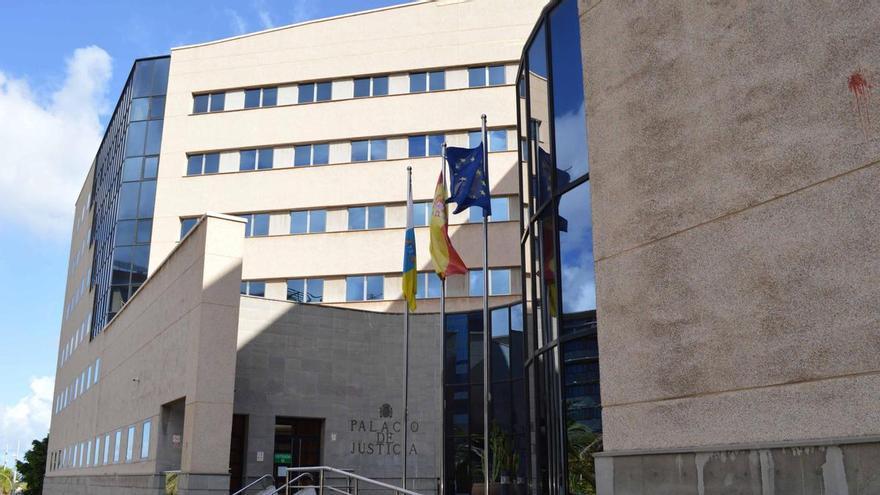
The Provincial Court of Santa Cruz de Tenerife has acquitted three individuals of money laundering charges related to an 800-euro cybercrime, citing a lack of evidence to prove criminal intent.
The Provincial Court of Santa Cruz de Tenerife has acquitted three people accused of fraud and money laundering, highlighting the challenges Spanish courts face when prosecuting low-value cybercrime. The case involved the theft of 800 euros from a bank account in April 2022.
The court ruled that there was insufficient evidence to prove the defendants—who appeared via videoconference from the mainland—knew the money was stolen. To secure a money laundering conviction, the law requires proof that the accused actively tried to hide or disguise the origin of the funds. The court found that this could not be established.
The case began when 800 euros were taken from a bank account through an unauthorized digital transaction. The funds were moved to a virtual card belonging to one of the defendants, who then transferred 500 and 300 euros to a second person. That individual then sent 450 euros to a third defendant, while the remaining 50 euros went to an unidentified person.
The Public Prosecutor’s Office initially sought two-year prison sentences for fraud but later dropped the fraud charge, arguing instead for money laundering with a six-month sentence. However, the court rejected this, noting that the defendants claimed the transfers were simply to settle personal debts or favors. Because the prosecution could not provide conclusive evidence to disprove these claims or prove the defendants were part of a criminal "money mule" network, the court ruled in their favor.
This case highlights the legal difficulties in tracking digital money transfers between individuals. It serves as a reminder that the presumption of innocence remains paramount when the prosecution cannot prove a conscious intent to commit a crime, even when financial activity appears suspicious. Notably, the bank had already reimbursed the 800 euros to the victim before the trial concluded.