
Tenerife Council Warns: Gardening Threatens Unique Island Nature
Tenerife's Island Council has warned residents that domestic gardening is threatening the island's unique native biodiversity through the introduction and spread of invasive exotic plants.
Tenerife's Island Council is warning residents that domestic gardening, a popular hobby, is threatening the island's natural environment. The problem comes from invasive exotic plants – species that aren't native to Tenerife. These plants easily adapt and spread, directly harming the island's unique native plants and animals, especially the many species found nowhere else in the world. Tenerife is an island with incredibly special nature.
This warning is part of a wider campaign by the island's biodiversity team, which is spending three million euros this year to remove these harmful plants. Gardening has been identified as a major cause of imbalance in the island's ecosystems. When foreign plants are introduced into private gardens, patios, or balconies, or when garden waste isn't managed properly, seeds and roots can accidentally spread. This allows these plants to take over wild environments. That's why preventing the spread of non-native species is so important.
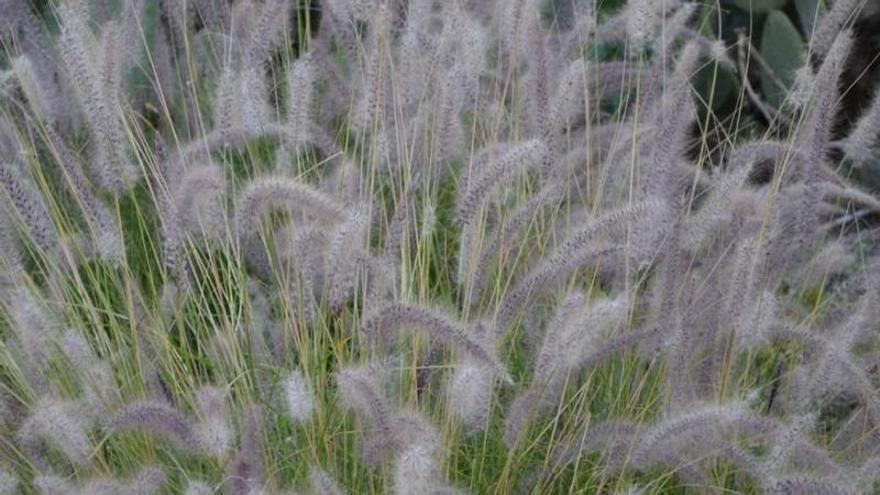
Island councilor Blanca Pérez warns that what often starts as a simple aesthetic choice can quickly become a major environmental problem. Some of these introduced species become very strong in Tenerife's natural areas. For example, pampas grass (Cortaderia selloana), crimson fountaingrass (Pennisetum setaceum), and giant reed (Arundo donax) were brought in as ornamental plants in the 1960s and 70s. Now, they pose a serious threat to local flora.
Tenerife is currently home to more than 70 types of invasive exotic plants. These species, brought by human activity from other parts of the world, thrive in Tenerife's climate. They have settled in and spread, pushing out native plants and causing significant harm to the natural environment. The presence of invasive species is one of the biggest threats to biodiversity worldwide. In the Canary Islands, and particularly in Tenerife, this problem is made worse because it's an island with such a rich variety of unique species.
Tenerife boasts one of the highest concentrations of unique species in Europe. More than half of its 1,370 plant species are native to the region, including 160 unique flora species and thousands of unique invertebrates. Besides the plants already mentioned, others that threaten this natural heritage include fairy crassula (Crassula multicava), gorse (Ulex europaeus), clubmoss crassula (Crassula lycopodioides), red valerian (Centranthus ruber), dillen's prickly pear (Opuntia dillenii), various cactus species, Cape crocosmia (Chasmanthe aethiopica), and pluchea (Pluchea ovalis).