
Tenerife Council to Debate Future of Vital Canary Islands Firefighting Aircraft
Tenerife’s Island Council is debating a motion to retain the Canary Islands' only chemical-retardant-capable aircraft, amid concerns that replacing it with a helicopter in La Gomera would weaken the archipelago's overall firefighting defenses.
The management of aerial firefighting resources in the Canary Islands has become a source of political and technical tension ahead of the 2026 fire season. A motion heading to the Tenerife Island Council this Friday highlights concerns over the potential removal of the Air Tractor AT-802, a fixed-wing aircraft based in La Gomera. It is currently the only plane in the islands capable of dropping long-term chemical fire retardants.
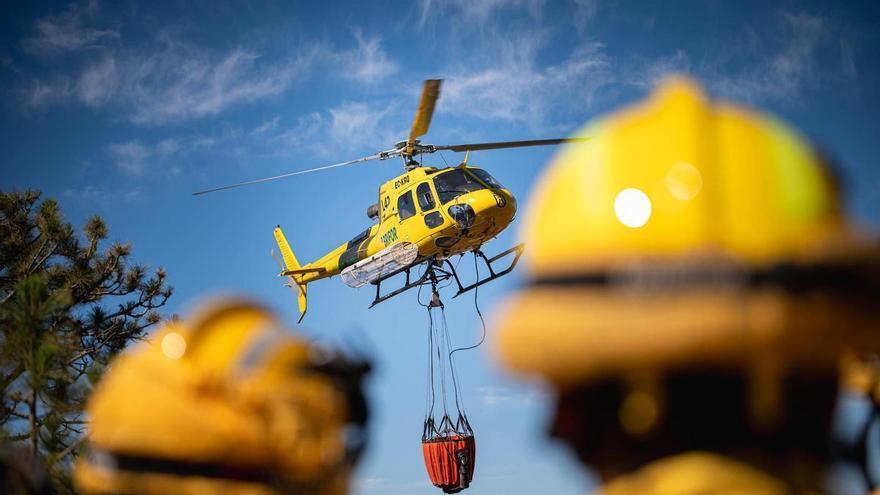
The controversy began when the La Gomera Island Council requested that the state replace the plane with a helicopter, arguing that a helicopter is better suited to the island's rugged terrain. However, the proposal being debated in Tenerife warns that losing the Air Tractor would strip the entire archipelago of a vital strategic tool. While helicopters are excellent for precise water drops in narrow ravines, the Air Tractor is essential for creating chemical firebreaks, which help slow the spread of flames toward homes and critical infrastructure.
The 2023 Arafo forest fire, which caused mass evacuations and pushed emergency services to their limits, remains a major concern in these discussions. Experts, including Elesbaan Perera López of the FSC-CCOO, argue that this should not be an "either-or" choice. He explains that the Canary Islands need both: helicopters for their maneuverability in steep areas, and fixed-wing aircraft to buy time while reinforcements arrive from the mainland.
The motion to be voted on urges the central government to keep the Air Tractor in service. Proponents argue that if La Gomera needs an additional helicopter, it should be added to the fleet rather than replacing the existing plane. They emphasize that with rising temperatures, ongoing drought, and more homes being built near forest areas, the priority must be to strengthen resources and improve response times to ensure no island is left vulnerable.