
Tenerife Council Redesigns €1.5 Million Tacoronte Drainage Project Following Resident Protests
The Tenerife Island Council has redesigned a €1.5 million drainage project in Tacoronte to address runoff at its source following sustained pressure from local residents.
Managing water infrastructure in high-risk areas has once again shown why local community involvement is so important. In the El Pris neighborhood of Tacoronte, pressure from residents has successfully pushed the Tenerife Island Council (Cabildo) to redesign a €1.5 million project originally planned to handle runoff damage from last March’s Storm Therese.
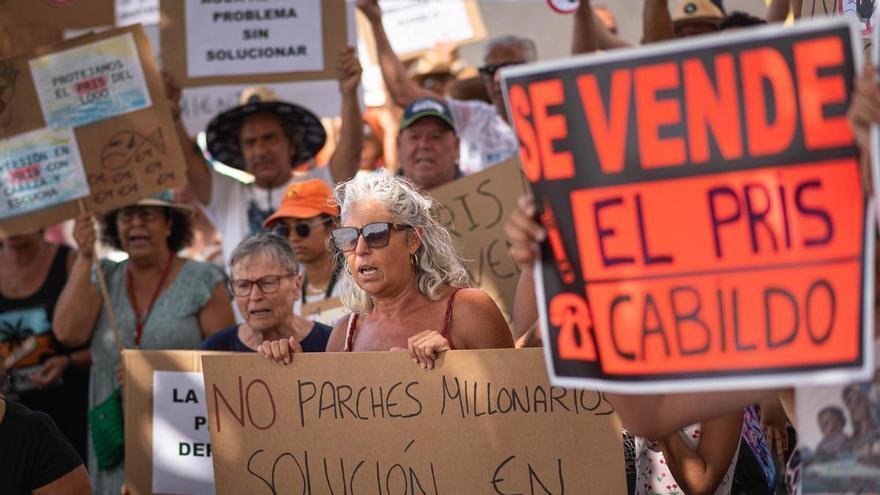
After months of protests, which peaked in August, the local government has changed its strategy. Following talks with the El Sargo neighborhood association, officials will now focus on the area above the neighborhood. The goal is to stop water flow at its source on private farmland. To make this happen, the Tacoronte City Council must now negotiate access with local landowners.
This change avoids the original plan to dig large trenches along the main access road—a move residents feared would isolate the neighborhood and fail to provide enough drainage. The new design reportedly addresses 95% of the residents' concerns, though final details depend on a pending study of water flow.
Dámaso Arteaga, the CEO of Roads, confirmed that the project is still expected to take eight months to complete, though the budget will likely increase. Tacoronte’s mayor, Sandra Izquierdo, emphasized that addressing the issue on private land is the only way to solve the problem at its root. The El Sargo association welcomed this shift, viewing it as a direct result of their advocacy.
However, the process has faced some friction. The Federation of Neighborhood Associations of Tacoronte, led by Tony Ramos, expressed frustration at being left out of the technical discussions, pointing to the difficulty of managing communication in large-scale local projects. As officials finalize the technical plans and land access agreements, the project remains in a transition phase, waiting for the Island Council and local government to coordinate the start of work that residents see as vital for protecting their community from future storms.