
Tenerife Council Reaches Consensus on Key Proposals Amid Political Divide
The Tenerife Island Council reached a consensus on 32 strategic proposals for the island's future despite a sharp political divide between the governing coalition and the socialist opposition regarding the administration's management.
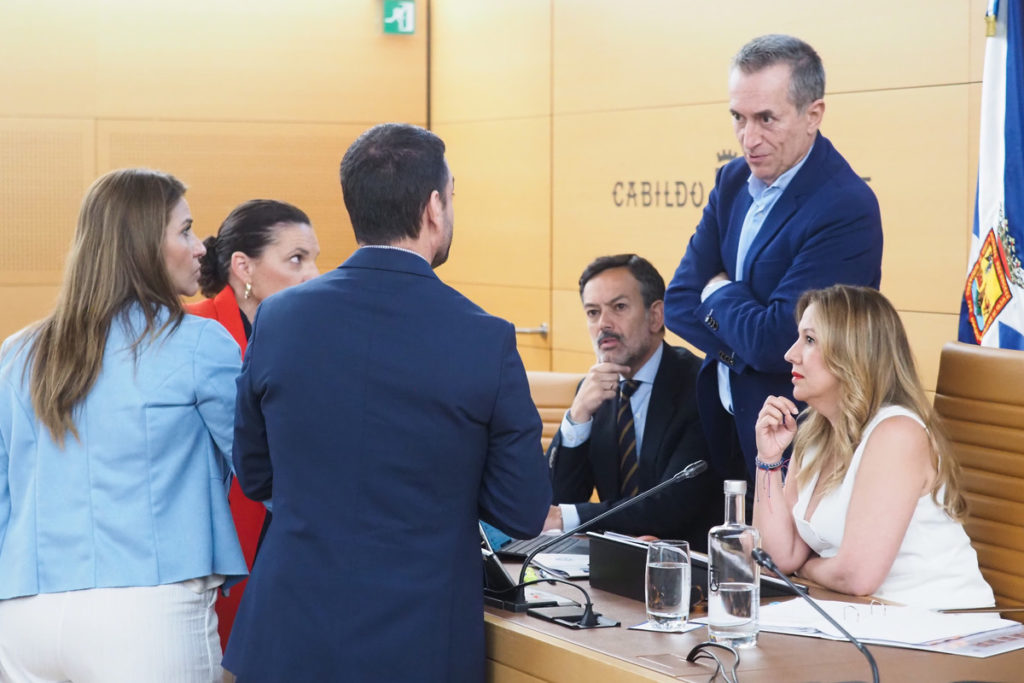
The recent "State of the Island" debate at the Tenerife Island Council revealed a sharp political divide over how the island is being managed. While the governing coalition argues that they are successfully shifting toward a new, long-term strategic plan, the socialist opposition claims the government’s positive economic data ignores the everyday struggles of local residents.
Island President Rosa Dávila defended her administration’s performance, stating that her team is moving past the slow pace of previous years. Supported by the CC and PP coalition, Dávila highlighted that over one billion euros have been invested in the last three years, with another 7 billion planned for the future. Vice President Lope Afonso and spokesperson José Miguel Ruano framed this as a move toward greater stability and a stronger regional presence.
In response, socialist leader Aarón Afonso criticized the government for being out of touch with the public. He argued that the administration is failing to address critical issues like high housing costs, overwhelmed public services, and the struggle to make ends meet. Meanwhile, Vox took a middle ground, noting that while the government is more active than its predecessor, they remain concerned about how quickly these new policies are being put into practice.
Despite these political disagreements, the council did reach a consensus on 32 proposals to shape the island’s future. Key agreements include:
- Housing and Transport: A new public guarantee to help young people rent homes and a commitment to keep public transport free for the next two years.
- Energy: A request to the national government for a special energy tariff to support geothermal power.
- Crisis and Social Issues: The creation of a new emergency committee and a coordinated plan to address shanty towns.
- Cultural Heritage: A continued push for the return of the Erques ravine mummy, which is currently held by the Ministry of Culture.
These measures set a clear agenda for the final year of the current term, focusing on innovation, tourism, and the primary sector, even as the political parties remain divided on the broader direction of the island.