
Tenerife Council President Seeks Direct Authority to Deploy Military for Emergencies
Tenerife Island Council President Rosa Dávila is calling for a reform of the Civil Protection Law to grant island councils direct authority to mobilize the Military Emergencies Unit following the recent damage caused by storm Therese.
Emergency management in the Canary Islands is back at the center of a political debate following the recent passage of storm Therese. Rosa Dávila, President of the Tenerife Island Council, is leading a push for the central government to reform the Civil Protection Law. The goal is to grant island councils the direct authority to mobilize the Military Emergencies Unit (UME).
The dispute stems from a long-standing disagreement over jurisdiction. Currently, state law treats island councils the same as municipal governments—a classification that local authorities argue is outdated. In the Canary Islands, these councils are responsible for managing crises even when they reach a "level 2" severity, which falls under regional control. Dávila argues that this creates a disconnect: the councils are responsible for handling emergencies on the ground, yet they lack the autonomy to call in high-capacity state resources without going through intermediaries. She has described the current system as "shortsighted" and is calling for more agility in requesting military support.
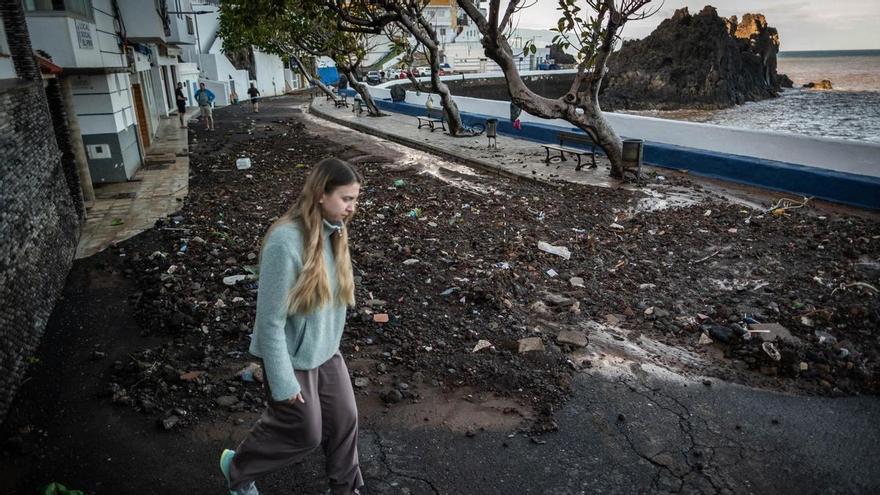
The urgency of this request follows the damage caused by the recent storm. After the Island Emergency Plan (PEIN) was deactivated early on March 25, officials began assessing the impact of nearly 600 incidents. The northern part of the island was hit hardest, with municipalities like La Orotava, Puerto de la Cruz, Los Realejos, Tacoronte, and La Matanza reporting urban flooding and power outages that affected 2,500 users.
Road crews are still working to clear the aftermath. While traffic has resumed on several major routes, the TF-12 remains closed due to a large boulder, and partial restrictions are still in place on the TF-5 and TF-21 to clear away mud and debris.
The storm, which forced the regional government to update its flood risk plan, has reignited the push for legislative change. While the demand for more local control is not new, the severity of the recent damage has highlighted the need to update state laws to better reflect the unique administrative and geographical reality of the islands, where a fast response is vital for public safety.