
Tenerife Council Plans €80M Water Project for Southeast
The Tenerife Island Council plans an €80 million investment to bring desalinated water to homes and farms in the mid-altitude southeast, addressing a serious water shortage in municipalities like Fasnia, Arico, and Granadilla de Abona.
The Tenerife Island Council plans to invest an estimated 80 million euros to bring water to homes and farms in the island's mid-altitude southeast. This area includes the municipalities of Fasnia, Arico, and Granadilla de Abona. The cost estimate comes from a study commissioned by the council.
Blanca Delia Pérez, the island councilor for Natural Environment, Sustainability, Security, and Emergencies, explained the situation. She stated that this part of Tenerife faces "a serious water problem." To address this, the Council is already working on measures to use desalinated water from Santa Cruz, which will be transported south.
Ms. Pérez acknowledged that getting water to these mid-altitude areas in the southeast is a significant challenge. She confirmed the 80-million-euro investment estimate, which was determined by a recent study. She shared these details during a public presentation on her department's work during the first half of the current term.
The plan aims to create a "sustainable model" for generating and transporting water. This includes the energy required for the entire process, with all these costs covered within the 80 million euros.
The councilor also announced upcoming meetings with local farmers. The goal is to inform them about the situation and gather their opinions. She committed to prioritizing investments based on the needs and criteria they express.
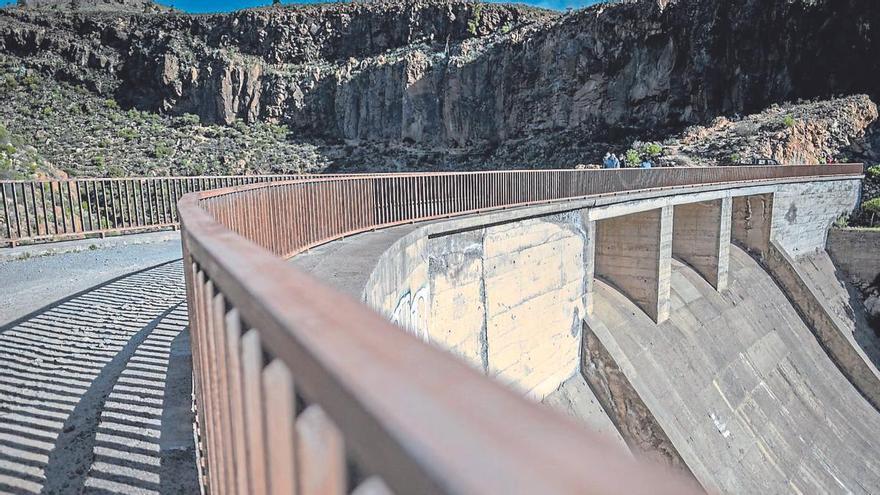
The project also includes the El Río dam. Farmers in the southeast, especially in Arico, have long demanded its recovery, believing it would solve a large part of the water shortage problem from Fasnia to Guía de Isora. However, Councilwoman Blanca Pérez, citing advice from technical experts, explained that while the dam is not suitable for collecting rainwater, it could serve other purposes.