
Tenerife Council Faces Resident Backlash Over Anaga Tourism and Infrastructure Strategy
The Tenerife Island Council faces growing tension with local residents over its new sustainable mobility strategy for the Anaga Massif, as community members argue that tourism-focused infrastructure investments fail to address their needs.
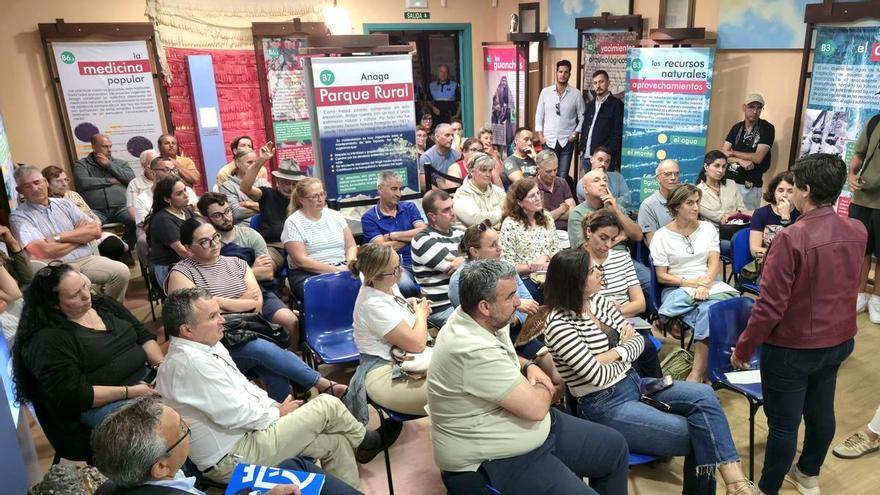
The Anaga Massif is at a turning point as it struggles to balance environmental protection and the needs of local residents with the demands of growing tourism. During a recent meeting at the Cruz del Carmen Visitor Center, the Tenerife Island Council (Cabildo) introduced a new Sustainable Mobility Strategy aimed at reducing traffic congestion in the protected area.
The June 22 meeting revealed a clear divide between the island’s administration and many local residents. While officials presented the plan as a technical roadmap for managing visitor numbers, the discussion quickly turned to a more pressing concern: how the Biosphere Reserve’s status actually benefits the local community.
Blanca Pérez, the Councilor for the Natural Environment, defended the administration’s record by highlighting its financial investment. She noted that the Natural Environment department has spent 12 million euros in the region during the current term. When combined with road improvements led by Dámaso Arteaga, total spending is expected to reach 17 million euros by the end of the fiscal year.
However, these figures did little to satisfy residents. Fulgencio Ramos, representing Casas de la Cumbre, questioned the effectiveness of past policies. Tensions rose as locals argued that while the area is promoted heavily to tourists, the European funds tied to its Biosphere Reserve status have not led to meaningful improvements for those who live there.
In response, the Cabildo argued that infrastructure investments are vital for economic growth, pointing to the revival of farming in El Batán Alto as a direct result of better road access. The Council also encouraged residents to take a more active role in prioritizing future projects, highlighting a 700,000-euro budget set aside for Roque Negro as an example of their commitment to collaboration.
Ultimately, the Cabildo faces a difficult challenge: protecting a fragile, high-value ecosystem while ensuring that tourism does not come at the expense of the people who call Anaga home. Based on the tone of the recent debate, finding this balance remains a major point of contention in local politics.