
Tenerife Council Divided Over Economic Strategy Amid Calls for Regional Autonomy
Tenerife’s Island Council remains divided over economic crisis management as President Rosa Dávila pushes for localized strategies to counter rising energy costs and mitigate the impact of national policy gaps.
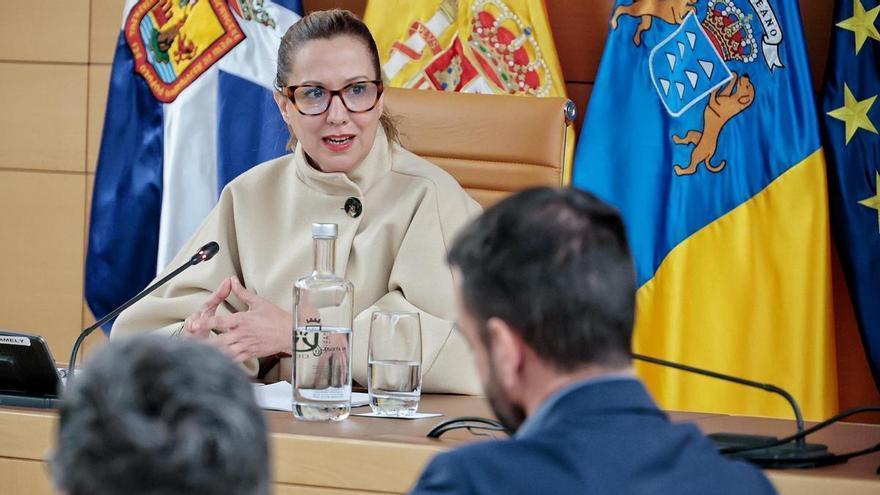
A recent special session of the Tenerife Island Council highlighted a growing divide between national policies and the specific needs of the Canary Islands during times of global instability. Island President Rosa Dávila argued that guidelines from Madrid fail to account for the islands' unique geography and administrative challenges, particularly regarding the economic fallout from the conflict in the Middle East.
To address this, the Council plans to launch an economic monitoring system to help make data-driven decisions. The goal is to protect key sectors—such as the public transport company Titsa and water production systems—from rising energy costs. Additionally, the Council proposed a plan to shift toward cleaner transport fleets and invest in renewable energy infrastructure, alongside new social protection measures.
However, the parliamentary debate quickly became polarized. The governing coalition (Canarian Coalition and the People's Party), supported by Vox, argued that the island must take charge because the central government is failing to act. In contrast, PSOE spokesperson Aarón Afonso defended the effectiveness of current state policies.
The session ended in heated disagreement rather than the consensus officials had hoped for. As the debate devolved into partisan bickering over past issues, the President called for a dedicated forum to discuss crisis management, urging political parties to separate long-term economic survival strategies from daily political disputes.