
Tenerife Council Announces €15.2 Million Transformation of TF-180 into Urban Street
The Tenerife Island Council has launched a 15.2-million-euro project to transform the TF-180 into an urban-friendly street, incorporating resident feedback to improve pedestrian access, traffic flow, and drainage over the next two years.
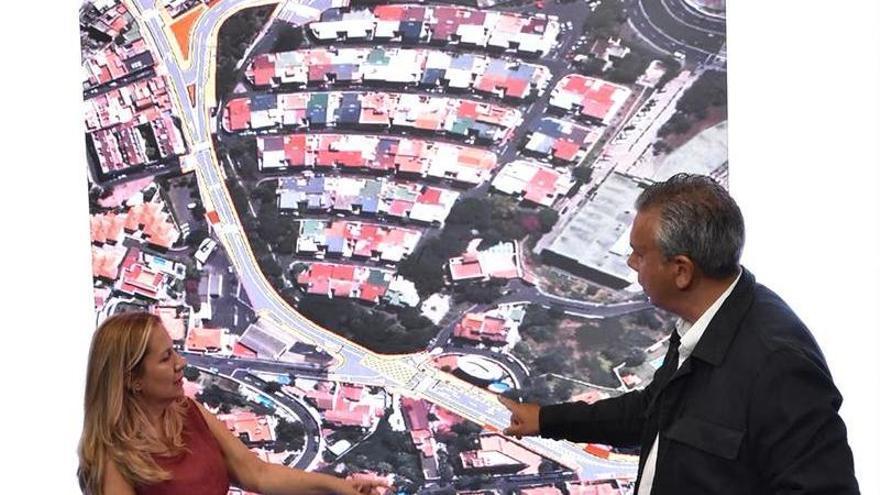
The transformation of the TF-180 in Santa Cruz de Tenerife marks a major shift in how the island council approaches local travel. The goal is to turn a busy transit route into a functional urban street that fits better within the surrounding residential neighborhoods. Following recent meetings with the community, the council has announced a 15.2-million-euro project, expected to take two years to complete.
This project addresses years of requests from local residents. After reviewing 22 formal suggestions from the public, the council incorporated most of them into the final design, including removing a downhill lane and protecting green spaces in the Vuelta de Los Pájaros area. Dámaso Arteaga, the Minister of Roads, explained that the project moves away from the traditional "highway" design to focus on better balance between pedestrians, public transport, and cars—a change that will benefit the 10,000 people who use the road daily.
The plan also tackles long-standing infrastructure issues. It includes building 1.80-meter-wide sidewalks, adding a new roundabout toward Ofra, and improving traffic flow with updated signals. Furthermore, the drainage system will be completely overhauled to handle heavy rainfall and prevent the flooding that has frequently affected the area.
Other improvements include reorganizing 100 parking spaces, upgrading bus stops to be fully accessible, and installing modern street lighting. This work is part of a larger 200-million-euro plan by the Tenerife Island Council to carry out over 80 road projects across the island by 2029. With 44 million euros in contracts set to be awarded by the end of this year, the council is working to modernize infrastructure by listening to residents and adapting the city to their actual needs.