
Tenerife Council and Spanish Government Clash Over Mv Hondius Health Crisis
Tenerife’s government and the Spanish central administration are locked in a political dispute over alleged failures in communication and coordination regarding a hantavirus outbreak on the vessel Mv Hondius.
A political dispute has erupted between the Tenerife Island Council (Cabildo de Tenerife) and the Spanish central government over the handling of a health crisis involving the vessel Mv Hondius.
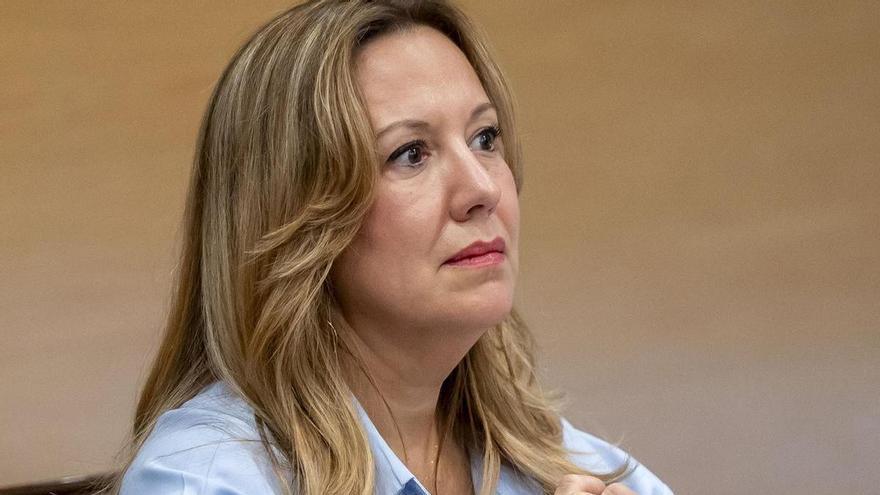
Tenerife’s president, Rosa Dávila, has publicly criticized the Ministry of Health, alleging a lack of communication and coordination after a hantavirus outbreak was detected on the ship. During an extraordinary plenary session, Dávila accused the central government of failing to provide the promised prior notice regarding the ship's arrival. She described this lack of direct dialogue as a sign of disloyalty and specifically criticized Health Minister Mónica García for failing to address the islands' unique needs.
This stance triggered a sharp response from the Socialist group within the Cabildo. Councilor Aarón Afonso challenged Dávila’s leadership, arguing that her public opposition to the ship’s arrival lacked the necessary humanitarian focus. He suggested that her refusal to cooperate with evacuation protocols created unnecessary institutional conflict.
In her defense, Dávila maintained that her actions were a necessary oversight, insisting that her concerns regarding health safety were justified. She reaffirmed that her administration would continue to demand transparency and accountability from the state regarding emergency protocols.
This conflict highlights ongoing tensions over how health crises are managed in the Canary Islands. Beyond the specific disagreement over the Mv Hondius, the situation reflects a deeper political divide regarding the autonomy of regional institutions when faced with unilateral decisions made by the central government in Madrid during emergencies.