
Tenerife Completes €3 Million Infrastructure Upgrade to Ease Güímar Industrial Estate Congestion
The Tenerife Island Council has completed a €3 million infrastructure project to alleviate traffic congestion at the Valle de Güímar Industrial Estate, signaling a shift toward targeted, high-impact road improvements across the island.
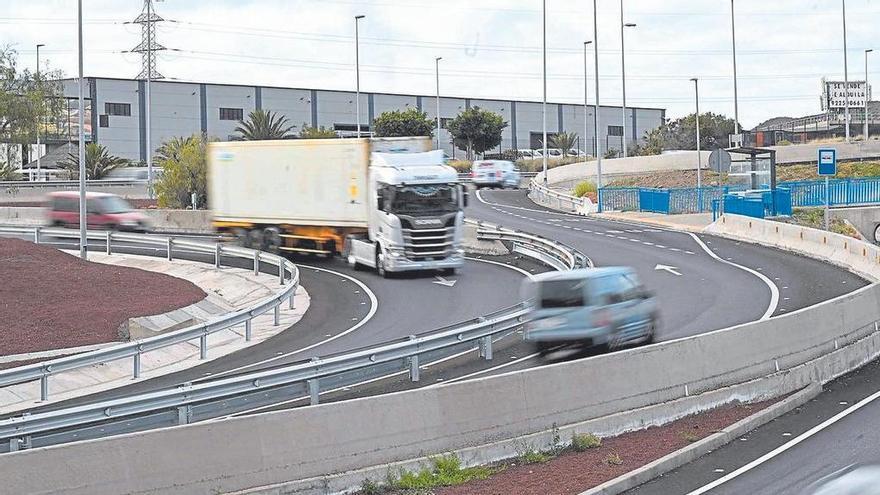
Construction on the access roads to the Valle de Güímar Industrial Estate is now complete, marking a shift in how Tenerife manages its infrastructure. Instead of focusing solely on massive, long-term projects, the Tenerife Island Council (Cabildo de Tenerife) is now prioritizing faster, targeted improvements. This approach has successfully cleared a major traffic bottleneck in a busy logistics hub used by roughly 70,000 vehicles every day, including a high volume of heavy transport.
The €3 million project involved reconfiguring the junctions connected to the TF-1 motorway. By expanding roundabouts and adding direct slip roads, the council has created a system capable of handling peak traffic of 3,000 vehicles per hour. This area is vital to the island’s economy, housing over 300 companies and 5,000 employees whose daily operations were previously hindered by severe congestion.
This project, supported by the Canary Islands Government and the municipalities of Arafo, Güímar, and Candelaria, is part of a wider strategy to apply "surgical" fixes to critical points in the road network. Cabildo President Rosa Dávila emphasized that this model delivers real results quickly, which is essential given the island’s growing number of vehicles. Local business leaders have welcomed the speed of the work, noting that better traffic flow is crucial for competitiveness and attracting new investment.
Looking ahead, the island’s executive plans to apply similar improvements to a dozen other strategic junctions across Tenerife. While major infrastructure projects—such as adding third lanes to the northern and southern motorways—remain in development, the Cabildo intends to use these targeted technical solutions to reduce congestion and improve daily life for everyone on the road.