
Tenerife Communities Host Historical Reenactments to Preserve Rural Heritage
The municipalities of Fasnia and Santiago del Teide are hosting historical reenactments this weekend to preserve Tenerife’s rural heritage and connect younger generations with their ancestors' traditional survival strategies.
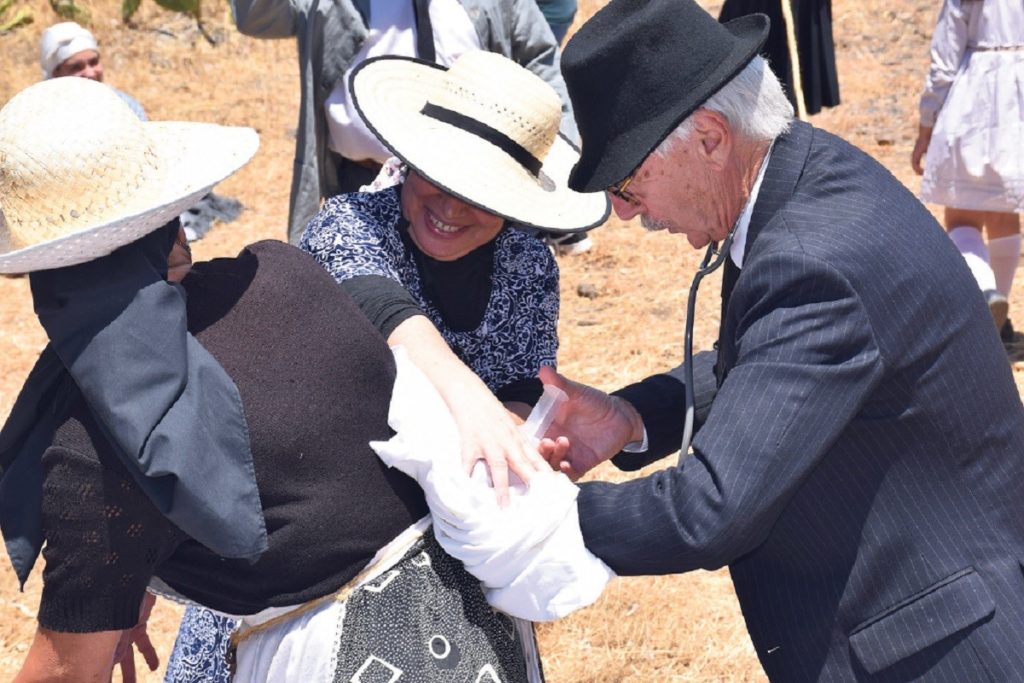
Reviving ethnographic traditions in the south of Tenerife is more than just a hobby; it is a community-led effort to protect the islands' intangible heritage. This weekend, the municipalities of Fasnia and Santiago del Teide are hosting historical reenactments that highlight the livestock farming and survival strategies of the 20th century. These events serve as more than just history lessons—they act as a bridge, connecting younger generations to the resourceful and often difficult lives of their ancestors.
In Fasnia, the "Montañeros de Uzapa" group is hosting its tenth annual ethnographic route this Saturday. Held at an altitude of nearly 1,000 meters, the event recreates "La Mudá," the seasonal movement of livestock to fresh pastures. The route ends in the hamlet of Archifira and coincides with the release of the second edition of the book La Mudá, costumbre de un pueblo. Archival footage of this tradition was also recently displayed at the former local town hall.
Meanwhile, Santiago del Teide is offering a look into the history of bartering this Sunday. The event, titled "Al paso de la cumbre," features performers dressed as traditional milkmaids, bakers, and shepherds. They will travel along historical paths to demonstrate how families once traded essential goods to survive.
Participants can join the event at three locations: San Francisco de La Montañeta in Garachico at 10:00 a.m., San José de Los Llanos in El Tanque at 11:30 a.m., and finally, the square in Santiago del Teide, where the event concludes at 1:30 p.m. These reenactments serve as a reminder of how vital rural paths were for decades, acting as the lifelines that allowed Canarian families to thrive in a challenging landscape.