
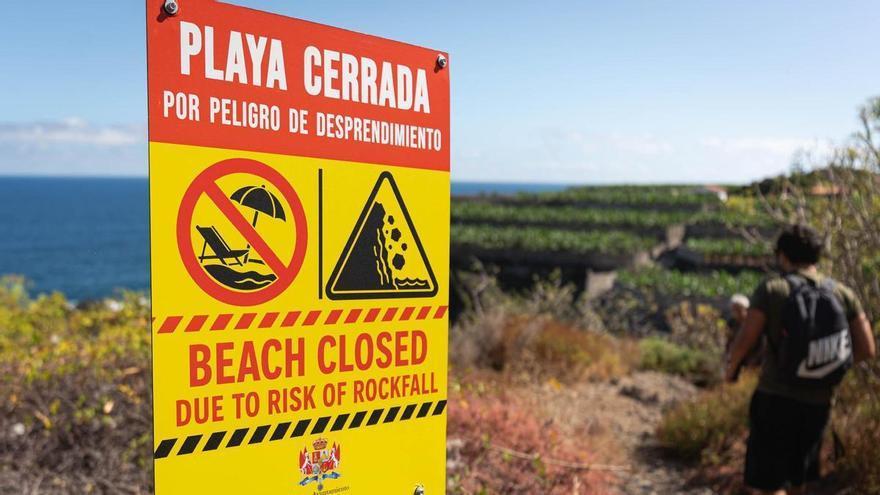
Tenerife Closes Seven Beaches Amid Ongoing Cliff Instability Crisis
Tenerife has closed seven popular coastal sites due to unstable cliffs and bureaucratic delays, leaving authorities struggling to balance public safety with complex legal and maintenance challenges.
Tenerife is facing a major safety crisis along its coastline, with seven popular sites currently closed due to unstable cliffs. Local authorities are caught in a difficult position: they must protect swimmers from falling rocks while navigating the bureaucratic gridlock that prevents necessary repairs. Because of the legal risks—especially after a tragic 2009 rockfall in Los Gigantes changed how municipalities are held liable—closing these areas has become the only way to avoid potential disasters.
The response to these closures has been inconsistent. Some sites, like Santo Domingo in La Guancha, have been shut since 2010 due to ongoing disputes between local and state authorities. In contrast, Las Gaviotas in Santa Cruz recently required an emergency declaration and a €1.9 million investment to address immediate dangers. Meanwhile, Los Patos beach in La Orotava has been off-limits for three years, with experts still waiting for geological studies to be completed this autumn.
This issue affects the entire island. In the north, Buenavista del Norte’s Los Barqueros beach has been closed for over a decade, with officials deeming the damaged access paths too dangerous to fix. In Santa Cruz, landslides have restricted access to Benijo, while in Garachico, the La Consolación site remains stalled because the cliff is privately owned, complicating safety efforts. Additionally, the Tabaiba tidal pool in El Rosario remains closed following storm damage and ongoing renovation delays.
These closures highlight a significant gap between safety rules and the government's ability to act. Although the Canary Islands government took over coastal management in 2023 with the hope of speeding up repairs, many of these sites still lack a clear plan for reopening. In the meantime, many beachgoers continue to ignore safety fences, forcing local councils to focus on constant surveillance to prevent accidents in an area where falling rocks are a persistent, real-world threat.