
Tenerife Camper Owners Plan Mass Protest Over Restrictive Parking Policies
Over 500 camper van owners are set to protest in Tenerife this Saturday to demand standardized parking regulations and improved infrastructure amid rising tensions with local authorities over restrictive vehicle policies.
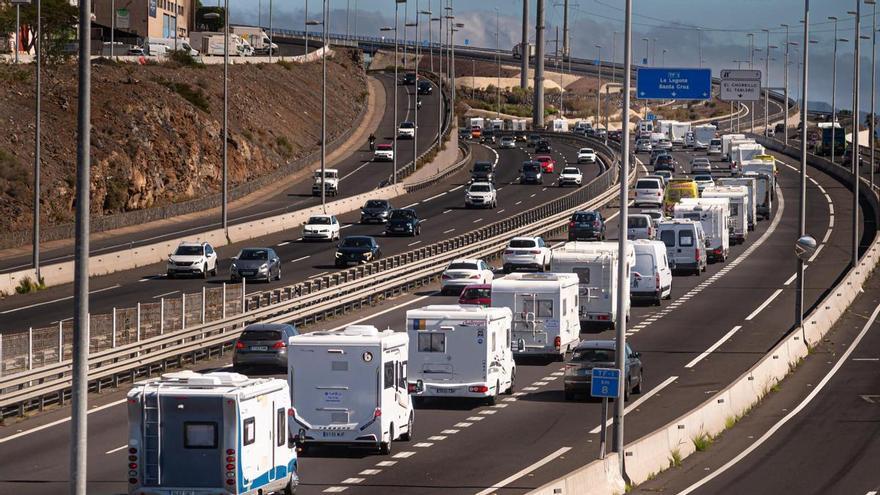
Tensions between camper van owners and local authorities in the Canary Islands have reached a breaking point. This Saturday, over 500 vehicles are expected to join a protest in Tenerife to speak out against what they call a policy of systematic exclusion. Organized by the G3A Federation and the Tenerife Motorhome and Caravan Owners Association (ACAT), the demonstration highlights the struggles faced by the island’s growing community of over 21,000 camper owners.
The core of the dispute is the inconsistent patchwork of local regulations across the islands. Camper owners argue that they should be allowed to park like any other vehicle, provided they follow traffic laws and do not set up camp outside their vehicles. Instead, they face a growing number of height restrictions, 24-hour parking bans, and rules that specifically target motorhomes. Owners claim this creates legal uncertainty, punishing them for the type of vehicle they drive rather than their actual behavior.
A recent example of this conflict occurred in Arico, where the association challenged a local decree that banned parking in coastal areas during Holy Week. While the local council cited security concerns, the association argued the decision lacked technical justification and felt it was applied unfairly.
The protest will begin with a gathering at the El Gomero Service Station this Friday, followed by a drive from San Miguel de Abona to Santa Cruz de Tenerife on Saturday, pending final approval from authorities. Beyond the protest, the group is calling for a clear plan that includes building essential infrastructure, such as waste disposal points, and standardizing parking rules across all municipalities.
The debate also touches on protected areas like Teide National Park, where camping is prohibited. Owners emphasize that there is a clear difference between sleeping inside a vehicle—which they view as a legitimate use of space—and setting up an illegal campsite. Ultimately, the group believes that without consistent regulations and proper facilities, the current situation will continue to turn a popular form of travel into a source of unnecessary conflict with local residents and officials.