
Tenerife Calima Challenges Road Safety; V16 Beacon Mandatory 2026
Tenerife faces road safety challenges from calima-induced poor visibility, with officials urging caution and reminding drivers of the mandatory V16 beacon replacing emergency triangles from January 2026.
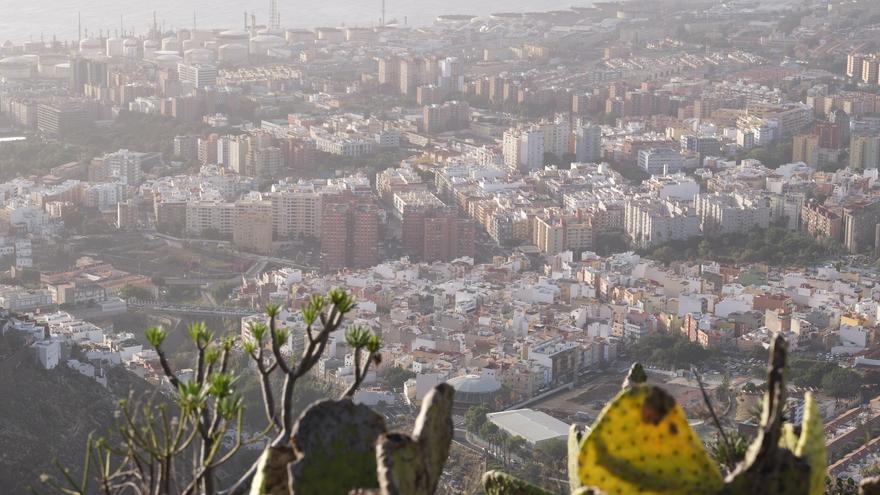
Road safety in the Canary Islands often faces challenges from weather events like calima, a cloud of Saharan dust. Recent reports show it has hit Tenerife again. Calima doesn't just make the air quality poor, which can affect breathing; it also severely cuts down visibility on roads. This means drivers need to change how they drive right away.
Because the islands are so close to Africa, their unique geography makes these dust events worse, so their impact is felt more strongly. Given this, officials and road safety experts stress that people should avoid unnecessary journeys and be extra careful if they have to drive. Slowing down to match how far you can see and keeping a safe distance from other cars are crucial steps to reduce the dangers of driving in dusty conditions.
To help prevent and respond to road incidents, Spanish law is bringing in a big change from January 1, 2026: the V16 beacon will become compulsory. This bright light, designed to signal breakdowns or accidents, will replace the old emergency triangles, which will then only be a secondary option. The V16 is seen as a safer, more visible, and more efficient tool because drivers can use it to signal their vehicle without having to get out of the car. This reduces their risk on the road. It's recommended to keep it in the glove compartment or an easily reachable side of the vehicle, so you can activate it quickly.
If your car breaks down, the first thing to do is move it to the right shoulder or a safe, quiet spot. Once stopped, you must turn on your hazard lights. If it's hard to see – because of calima, night-time, or anything else – keep your parking lights on too. This will make your vehicle as visible as possible.