
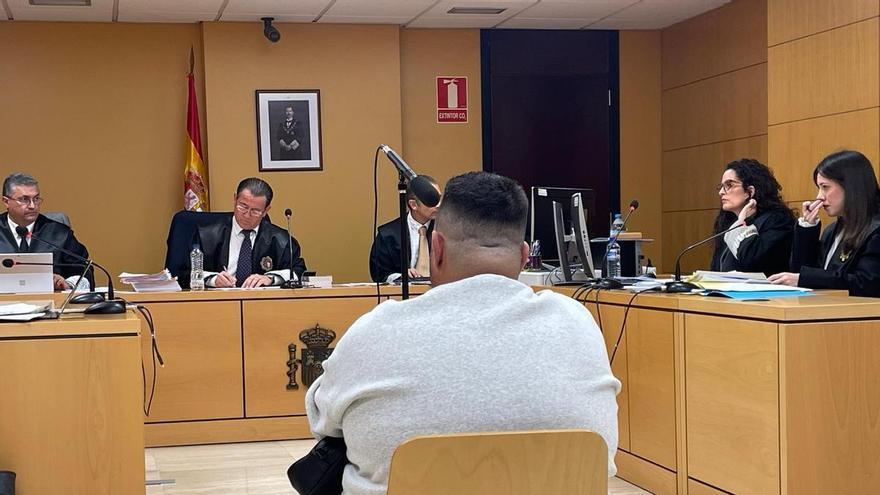
Tenerife Businessman Faces Trial Over €147k Social Security Fraud
A trial has begun in Santa Cruz de Tenerife against a local businessman accused of serious social security fraud, owing over 147,000 euros, with prosecutors seeking a three-and-a-half-year prison sentence and a 500,000 euro fine.
A trial has begun in Santa Cruz de Tenerife against a local businessman. He is accused of serious social security fraud, owing more than 147,000 euros. Prosecutors are asking for a three-and-a-half-year prison sentence, plus payment of the debt with interest, a 500,000 euro fine, and a ban from getting public grants or contracts for at least six years. These details came out during the first court hearing on Monday.
This case shows how complicated business and tax rules are in Spain, especially when it comes to social security payments. Not paying these regularly can lead to serious legal trouble. Prosecutors claim the businessman deliberately tried to avoid his responsibilities, building up large debts both personally (as a self-employed person) and through the companies he ran. The alleged wrongdoings include not paying social security, not deducting taxes from employee wages (which were also paid in cash without proper receipts), and not filing annual company accounts.
The businessman has responded to the charges by saying he lacked "business management knowledge" and didn't intend to defraud. He blamed the debts on various "circumstances." However, prosecutors argue that his business practices – like setting up several companies with the same purpose and moving staff between them – show a clear intention to avoid paying contributions.
Investigations show a history of unpaid contributions going back ten years. He was removed from the self-employed register because of an earlier debt of over 20,000 euros (which isn't part of the current case). Then, in 2016, he set up a construction company that employed up to 36 people. This company racked up nearly 35,000 euros in unpaid contributions. Prosecutors say that to keep doing business without dealing with the debts, he later created a second company, also under his control. This new company continued the same work and hired some of the same staff. This second company is responsible for the main debt of 147,903.38 euros that is now at the center of the trial.
The businessman has admitted to the debts identified by the General Treasury of Social Security. He claims he tried to arrange installment payments before the trial, but this didn't happen. Recovering the money owed is difficult because investigators haven't been able to find enough assets belonging to the businessman or his companies to cover the debt. This situation highlights how crucial it is for businesses to be transparent and follow tax and labor laws to keep the social protection system working.