
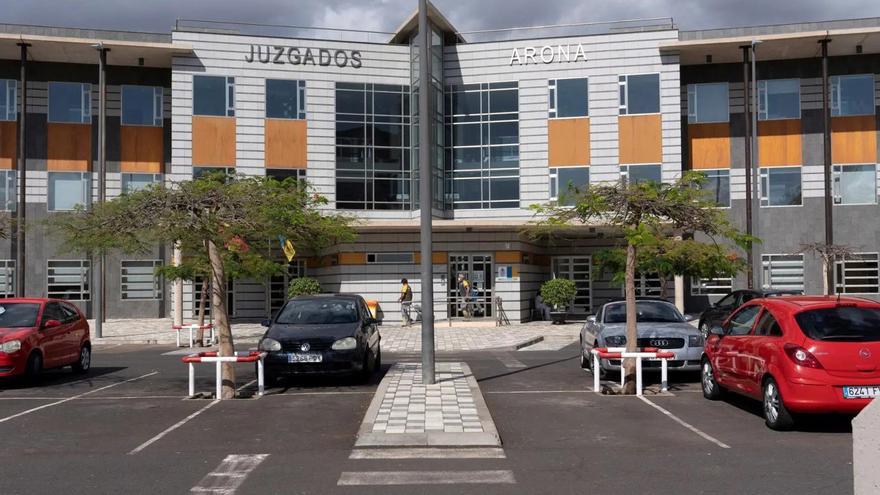
Tenerife Business Leaders Renew Calls to Merge Southern Judicial Districts Amid Systemic Collapse
Business leaders in southern Tenerife are renewing calls to merge the judicial districts of Granadilla de Abona and Arona, arguing that the current fragmented system is failing to address chronic case backlogs and resource shortages.
The judicial system in the south of Tenerife is once again a major topic of debate, as local business leaders renew their call to merge the judicial districts of Granadilla de Abona and Arona. The Circle of Entrepreneurs and Professionals (CEST) argues that the current system is unable to handle its heavy workload—a view supported by the High Court of Justice of the Canary Islands (TSJC). In its annual reports from 2020 to 2023, the TSJC has repeatedly described the current setup as unviable, even labeling the Granadilla district a failure.
According to business representatives, this chronic collapse leads to case delays of more than five years. This has sparked disagreement with the Canary Islands government, which recently approved plans to open a new Court of First Instance and Instruction in Granadilla. Business leaders argue that simply adding more courts does not solve the underlying shortage of staff and resources, and that spreading services across different locations is counterproductive.
A proposal to merge these districts was rejected in 2012 by local municipalities, which prioritized keeping courts close to residents. However, supporters of the merger argue that the region’s economic and demographic landscape has changed significantly since then. The Arona district currently serves about 200,000 people across four municipalities with twelve courts, while the Granadilla district serves 100,000 people across four municipalities with five courts. Both areas deal with a high volume of tourists and workers in the logistics sector.
Adding to the frustration is the lack of a dedicated Labor Court in the south, despite the region being a hub for the island’s economic activity. CEST describes this as an "inexplicable anomaly" given the high number of labor disputes in the area. While business owners insist that merging the districts is the only way to make the justice system functional, critics remain concerned about the impact on local access to services, particularly in a region that hosts key infrastructure like the Tenerife South Airport and major industrial estates.