
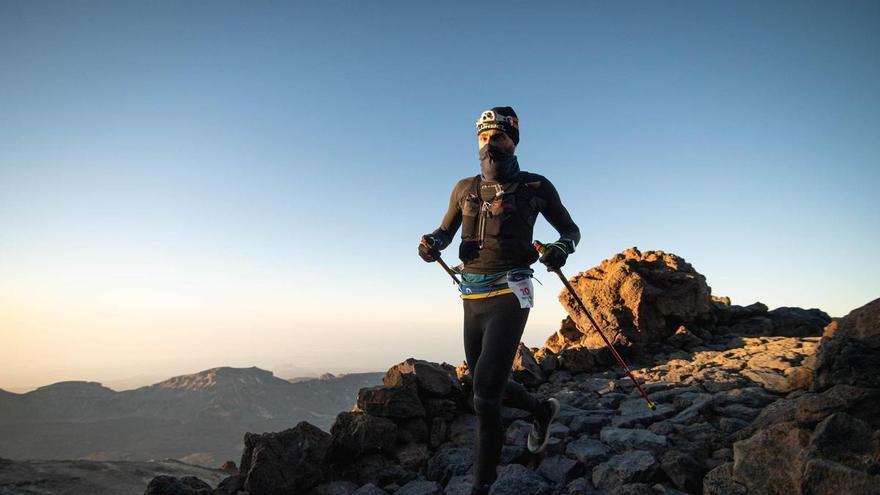
Tenerife Bluetrail by UTMB Returns for 2027 with Expanded Race Format
The Tenerife Bluetrail by UTMB will return from April 8–10, 2027, featuring a redesigned race lineup and stricter capacity limits to prioritize environmental conservation in Teide National Park.
The Tenerife Bluetrail by UTMB will return to the international trail running calendar from April 8–10, 2027. The race was cancelled this year due to severe weather from Storm Therese, but the Tenerife Island Council has confirmed that the fifteenth edition will mark a major shift in the event’s role within the global UTMB circuit.
The event has been redesigned to improve both technical standards and capacity management. Organizers are adding a new vertical race and a 67-kilometer distance, with the final route for the latter still to be confirmed. Additionally, the existing 73-kilometer race will be extended by about ten kilometers. Yolanda Moliné, the Minister of Sports, stated that these changes aim to increase the challenge and quality of the experience for athletes while ensuring better protection of the island’s natural spaces.
Registration will open this June, with a 48-hour priority window for runners who were affected by this year’s cancellation. After that, registration will open in stages: first to athletes with a valid UTMB Index, and then to the general public.
The event will feature eleven race formats across five categories, allowing runners to earn "Running Stones"—credits required to enter the HOKA UTMB Mont-Blanc lottery in Chamonix. The race lineup includes:
- 110km: 100M category (4 Running Stones)
- 83km: 100K category (3 Running Stones)
- 67km: New distance
- 47km: 2,600m elevation gain (2 Running Stones)
- 24km: 1,300m elevation gain (1 Running Stone)
Environmental sustainability is a top priority, particularly regarding the route through Teide National Park. To comply with the park’s management plan, the 110km and 73km races will be capped at 400 participants each. This limit highlights the challenge of hosting large-scale events in protected areas, where conservation regulations take precedence over participant numbers, reinforcing the race's reputation for technical difficulty and stunning scenery.