
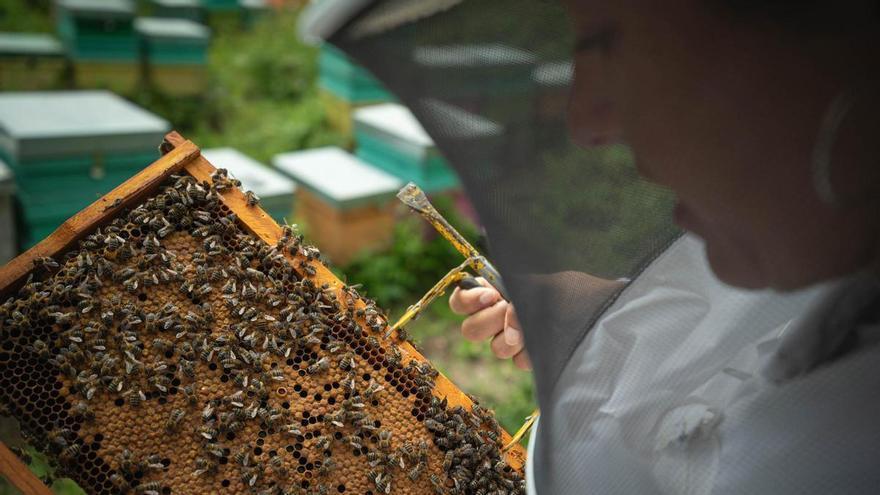
Tenerife Beekeeping Faces Crisis Amid Fraud, Climate Change, and Regulatory Pressure
Tenerife’s beekeeping industry faces an uncertain future as it struggles with fraudulent labeling, climate-related production declines, and restrictive environmental regulations in protected areas.
Beekeeping in Tenerife is at a crossroads. The industry is struggling to balance its rich biological heritage with the economic pressures that threaten its future. While the island produces high-quality honey—boasting 14 varieties under a Protected Designation of Origin (PDO)—it is currently fighting against unfair commercial practices that undermine its reputation.
Because Tenerife honey commands a premium price—averaging 15 euros per kilo compared to three euros on the mainland—it has become a target for fraud. Local producers report that foreign honey is being imported, packaged on the island, and deceptively sold as "Canarian." This practice threatens the integrity and value of authentic, locally produced honey.
Beyond honey production, beekeeping is vital for the island’s agriculture. The pollination services provided by bees are essential for crops like avocados and papayas, with an economic impact estimated to be ten to twenty times greater than the value of the honey itself. Despite this importance, the industry is highly vulnerable. Production has fluctuated wildly, dropping from a record 49,000 kilos in 2016 to just 9,700 kilos in 2020, largely due to droughts and devastating wildfires, such as the one in 2023.
Tenerife is home to about half of the Canary Islands' beekeeping operations, with over 600 producers managing 16,000 hives. However, urban expansion and new environmental rules are tightening the space available for these farms. Notably, the new Master Plan for Teide National Park has capped the number of hives at 2,000 and introduced strict rotation requirements. These measures follow scientific concerns that honeybees may be negatively impacting the park’s unique, native plant species.
The industry is also calling for a change in how government subsidies are distributed. Producers argue that financial aid should be tied to certified production levels rather than simply the number of hives owned. With the current season running behind schedule and production remaining low, the sector faces an uncertain future. Attracting a new generation of beekeepers and finding suitable locations for hives are now the most urgent challenges for an industry that has been a cornerstone of Tenerife’s landscape and biodiversity since the time of the Guanches.