
Tenerife Authorities Order Evictions at Growing Informal Settlement Amid Housing Crisis
Authorities in southern Tenerife have ordered 94 residents to vacate the Los Vivitos informal settlement as part of a crackdown on illegal housing driven by the Canary Islands' severe affordability crisis.
The housing crisis in the Canary Islands has reached a breaking point in southern Tenerife, where a lack of affordable housing has forced many to live in informal settlements. A recent report from Cáritas identifies Arona as the second most affected area on the island, a reality brought into focus by a recent police operation at the Los Vivitos settlement.
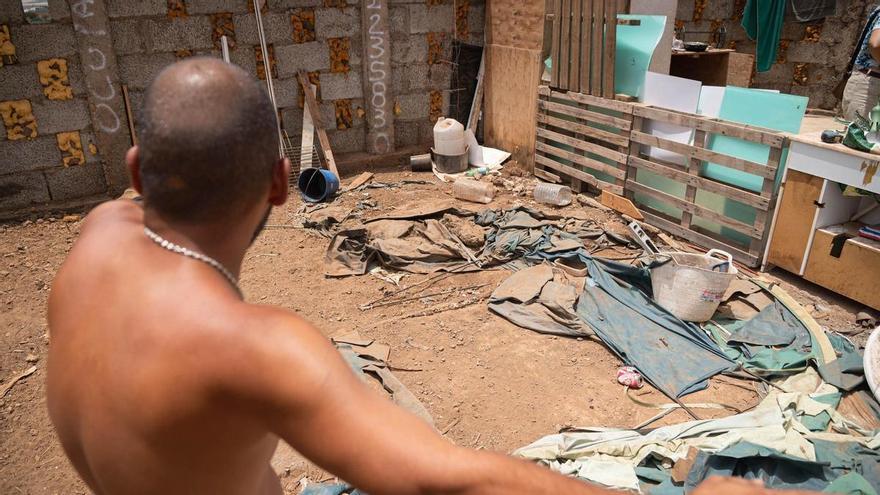
Last Tuesday, authorities conducted a large-scale operation in a rural area between Buzanada and Guaza. Officers inspected 64 structures and sealed off 17 of them, giving the 94 people living there three months to vacate. This is the largest operation of its kind in the area and is part of a local council effort to stop the growth of similar settlements in places like El Fraile, Costa del Silencio, Las Galletas, Lomo Negro, and Guaza.
The Los Vivitos site highlights a social paradox: despite their precarious nature, these settlements often feature solar panels, water supplies, and even video surveillance. This suggests that for many working families, these are not temporary camps, but permanent homes. Many residents explained that they were pushed out of the formal housing market by skyrocketing rents or strict rental requirements. Even while living in these conditions, these families face the added financial burden of maintaining improvised services like electric generators.
The situation is further complicated by concerns over land speculation, and residents believe the actual population of the settlement could be as high as 300 people. The rapid growth of these communities, combined with a lack of basic services and exposure to the elements, highlights the urgent need for a serious debate on rent regulation. While local authorities are increasing evictions and oversight, those affected argue that they are not choosing to live this way; rather, they have been pushed to the fringes of society by a housing market that offers them no affordable alternatives.