
Tenerife Approves €5 Billion Sustainable Mobility Plan to Overhaul Island Transport
Tenerife has unveiled a €5.097 billion Sustainable Mobility Plan featuring 92 projects aimed at reducing private car reliance through expanded public transit, infrastructure upgrades, and stricter environmental protections by 2035.
Tenerife has officially approved its Sustainable Mobility Plan, a major milestone that sets a clear path for the island’s future. With a budget of 5.097 billion euros committed through 2035, the strategy aims to move beyond simple road repairs and fundamentally change how people travel across the island.
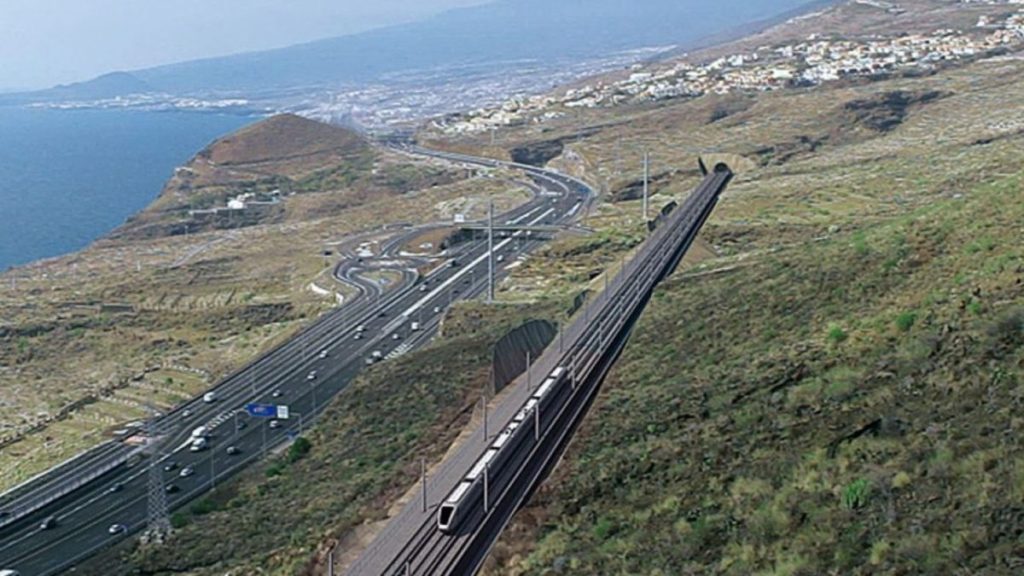
Developed with support from the Canary Islands government, the state, and local authorities, the plan outlines 92 projects to be completed over the next two decades, with a long-term vision extending to 2045. A key goal is to reduce reliance on private cars by expanding the tram network and introducing rail lines in the north and south. To address immediate congestion, the plan also includes finishing the island’s ring road and adding new lanes to the busiest sections of the TF-1 and TF-5 highways.
Beyond building new roads, the strategy focuses on smarter travel. Mobility Minister Eulalia García highlighted plans for new park-and-ride facilities, dedicated bus and high-occupancy vehicle (HOV) lanes, and better digital services. The plan also encourages carpooling and provides more charging stations for electric vehicles to make private car use less necessary.
Environmental protection is central to the project. The plan introduces strict access rules for sensitive areas like Teide National Park and the Anaga and Teno massifs, where shuttle services and public transport will be used to manage tourist traffic. Cabildo President Rosa Dávila emphasized that these measures are essential to preparing the island for future population growth and climate challenges.
The plan will now head to the Plenary Commission for debate before a final vote, marking the end of an administrative process designed to make travel in Tenerife more efficient and environmentally friendly.