
Tenerife Approves €2 Million Sanitation Upgrade for El Rosario Amid Project Delays
Tenerife has approved a 2-million-euro sanitation project in El Rosario to modernize wastewater infrastructure, though administrative delays have forced a reduction in the project's original scope.
Tenerife is moving forward with plans to modernize its water infrastructure, with a new phase of the sanitation network approved for La Esperanza in the municipality of El Rosario. This project aims to fix long-standing wastewater management issues by building a new collector to link local neighborhoods to the El Tablero system.
The 15-month project is funded through the Tenerife Island Council’s Municipal Cooperation Plan. The Council is providing 1.6 million euros—covering nearly 80% of the budget—while the El Rosario City Council is contributing the remaining 413,232 euros. This work builds on previous improvements made along the TF-272 road and in the Lomo Pelado and Las Rosas areas, all of which are essential to completing the region's water management cycle.
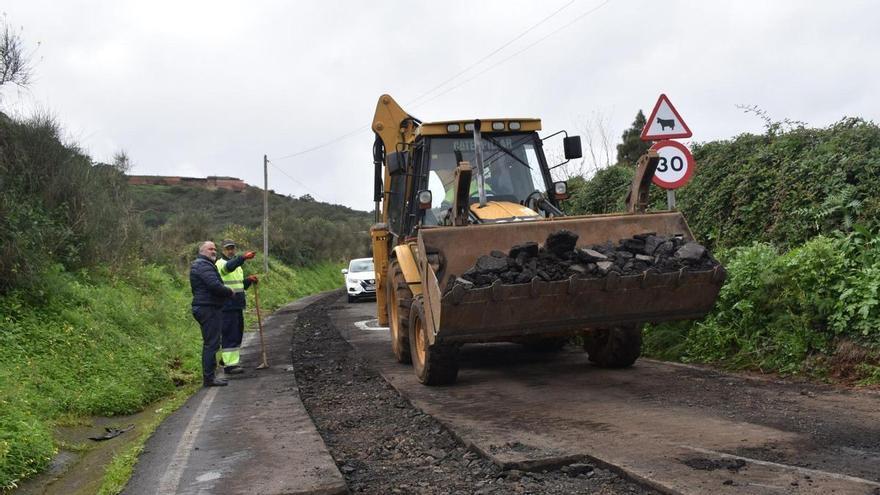
The project involves installing separate systems for rainwater and sewage along a kilometer-long stretch of El Sino street, running from the Las Lagunetas path to the Francisca González Afonso alley. Crews will also build a new sidewalk on the right side of the road. The ultimate goal is to ensure all wastewater is properly treated, finally resolving the sanitation problems that have troubled the area for years.
However, the project has faced setbacks. Mayor Escolástico Gil noted that delays in receiving necessary reports from the Island Council led to rising costs. Because the budget lost purchasing power during these administrative delays, the project’s scope had to be reduced; it will now end 300 meters short of the TF-24 main road, rather than reaching it as originally planned.
This situation highlights how much municipalities rely on island-level cooperation for major infrastructure. While the Island Council views the investment as a positive step toward modernizing essential services, the project in El Rosario illustrates the challenges local governments face when dealing with complex bureaucracy and the rising costs of construction.