
Tenerife Approves €13 Million Industrial Hub to End Decades of Planning Stagnation
The Tenerife Island Council has approved a 13-million-euro project to develop a 29-hectare industrial hub in El Chorrillo, aiming to resolve decades of land shortages while integrating vital infrastructure and cultural heritage protection.
A long-standing shortage of industrial land in Tenerife’s capital is finally set to be addressed. The Tenerife Island Council has given initial approval to develop the El Chorrillo sector, a project that will transform 29 hectares—roughly the size of 48 football fields—into a new industrial hub. The project has a budget of 13 million euros and is expected to take 26 months to complete. This move finally unlocks planning that has been stalled since 1992 and follows the regional government’s decision to grant the site "Strategic Interest" status eight years ago.
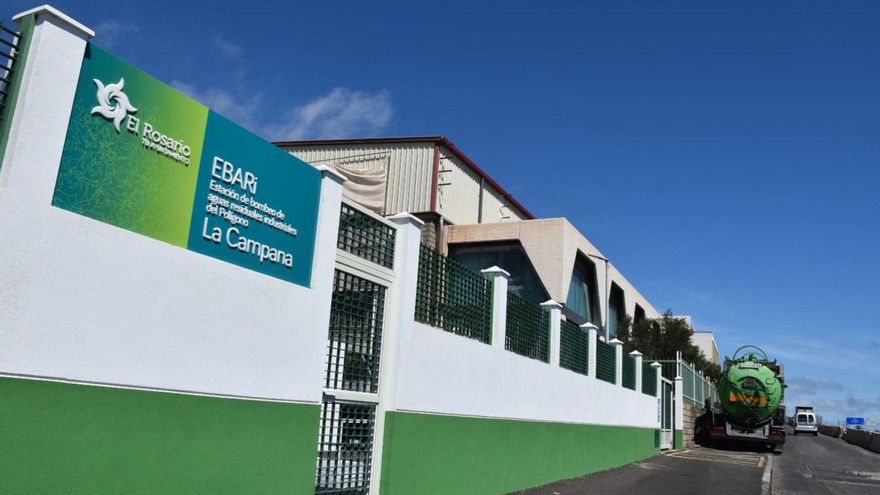
This project is about more than just creating new plots; it is part of a broader strategy to reorganize the area alongside the neighboring La Campana industrial estate. While La Campana has suffered from years of decay, it is currently undergoing a 15-million-euro public renovation to upgrade its basic services. The new development, classified as "Ordered Developable Land," is designed to navigate the area’s challenging, hilly terrain—which features elevation changes of over 50 meters—by using a large boulevard as a central spine that connects to the Cuevas Blancas Science and Technology Park.
The plan also includes vital infrastructure upgrades. It features a regional wastewater treatment plant capable of serving Santa Cruz, La Laguna, and El Rosario, as well as a new electrical substation. These improvements will help complete the Southwest electrical ring, providing the stable power supply necessary to attract large-scale investment to the region.
The project also prioritizes the protection of local heritage. The site contains significant archaeological locations, including the Lomo Gordo I and II rock engraving sites, which are protected as Assets of Cultural Interest. To safeguard these, the plan mandates strict safety zones and constant archaeological monitoring during construction. By balancing industrial growth, energy stability, and cultural preservation, the Island Council aims to end decades of stagnation and provide the metropolitan area with a sustainable economic engine for the future.