
Tenerife Approves €1 Billion Hydroelectric Plant to Boost Canary Islands' Renewable Grid
The Spanish government has approved a €1 billion hydroelectric pumped-storage plant in Tenerife, marking a significant milestone in the Canary Islands' transition to a fully renewable energy grid.
The Canary Islands' transition to clean energy has reached a major milestone following the government's approval of a new hydroelectric plant in Güímar, Tenerife. According to Diario de Avisos, the plant will be managed by the national grid operator, providing essential stability for Tenerife and La Gomera, which have shared an interconnected power system since last July.
This project, costing over €1 billion, is a key step toward decarbonizing the islands. It mirrors the large-scale storage model currently being built at the Salto de Chira-Soria plant in Gran Canaria. The Güímar facility will have a capacity of 200 megawatts and store 3,200 megawatt-hours of energy—enough to cover one-third of the island’s daily needs. It will function as a pumped-storage system: water will be pumped to an upper reservoir when renewable energy is abundant and released to generate electricity when demand is high.
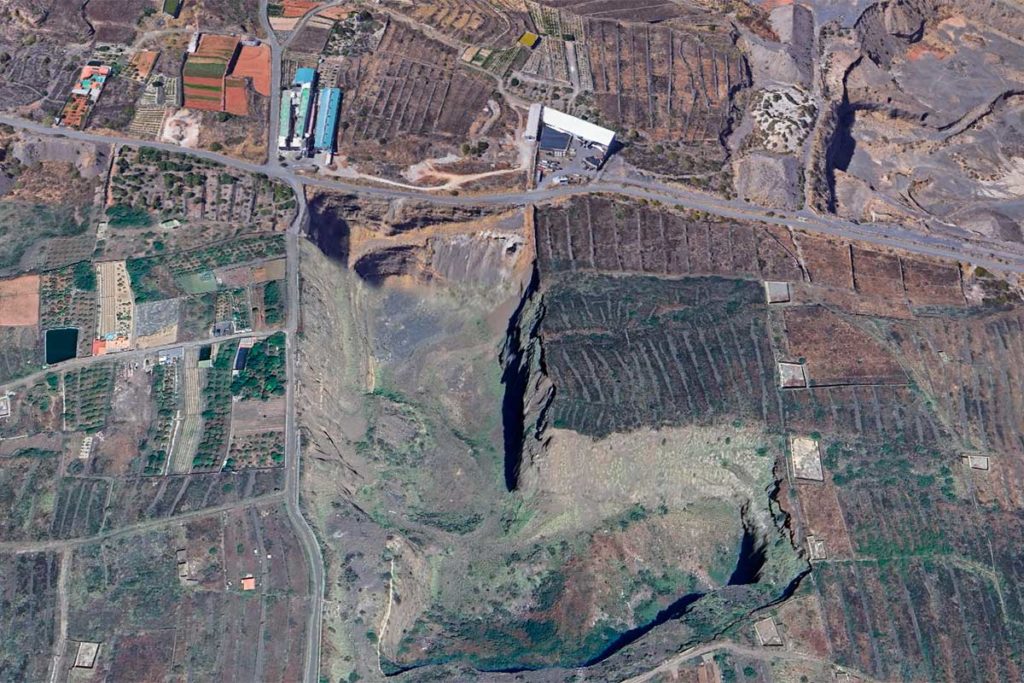
The site was chosen after evaluating over 60 locations, with the goal of restoring land previously damaged by mining. The plant is expected to last over 75 years and save the Canary Islands €200 million in energy costs annually, helping to quickly recover the initial investment.
This initiative is part of a wider government strategy to ensure a reliable power supply despite the unpredictable nature of renewable energy. To support this, the government is updating how renewable energy is priced in the islands, moving away from mainland market rates to a more stable annual average to encourage investment. Additionally, a tender for 820.5 megawatts of power is underway, with 707.5 megawatts earmarked for the Canary Islands by 2031. This plan prioritizes modernizing the grid by phasing out plants that are more than 40 years old.
These changes are supported by Royal Decree-Laws 7/2026 and 18/2026. These regulations simplify the creation of renewable energy zones and allow for the use of large batteries in isolated areas. These measures are vital for preventing blackouts on smaller islands like La Palma and helping the region reach its goal of 100 percent renewable energy.