
Tenerife Approves €1.57M Mesa del Mar Sewage System
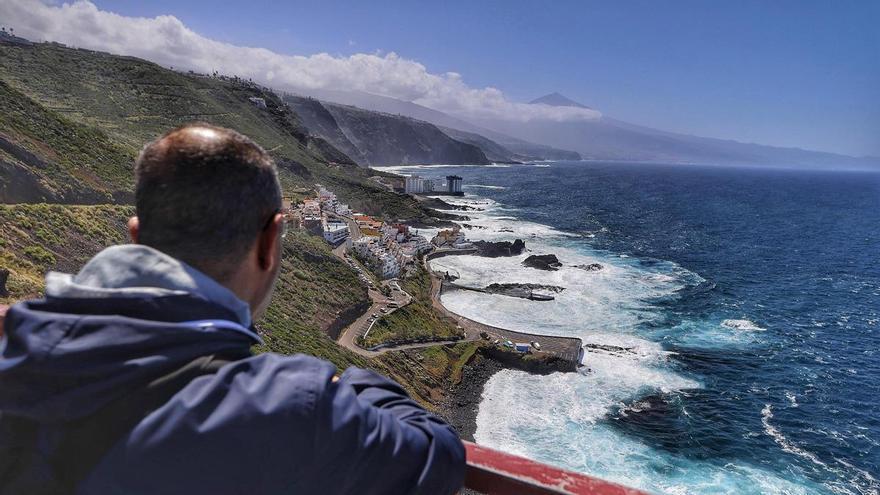
The Tenerife Island Council has approved a €1.57 million project for a new sewage system in Mesa del Mar, Tacoronte, aiming to achieve "zero discharge" and enhance environmental protection.
The Tenerife Island Council has approved a project for a new sewage system in Mesa del Mar, Tacoronte. This initiative marks a significant step forward for the island's water management and environmental protection. The project, costing 1,572,960 euros, is expected to take 16 months to complete once work officially begins. It aligns with the Council's main goal of achieving "zero discharge" – meaning no untreated wastewater goes into the sea – which is crucial for the island's long-term sustainability.
Sonia Hernández, the Councillor for Municipal Cooperation, emphasized how important such projects are for improving water management across Tenerife. Following Vice President Lope Afonso's vision, this investment aims to foster development that balances social, economic, and, especially in this instance, environmental needs, creating a sustainable model for the island. Achieving "zero discharge" is key to protecting marine life and keeping coastal waters clean, both of which are vital for the island's biodiversity and tourism.
The work will involve extending the current main sewer pipe in Guillermo Graham Hernández street, near the Karim Wastewater Pumping Station. This extension will reach the lower part of Mesa del Mar, connecting with infrastructure planned as part of another project: "Conditioning of the coastal edge of Tacoronte and the urban front of El Pris."
The main sewer pipe will be laid down Mesa del Mar street. Because some parts of this road are narrow, making it difficult for construction and traffic to coexist, the Council is considering working at night. This is to reduce disruption for local residents and road users.
The project also includes installing smaller sewer lines and connecting them to homes along the route. Any public services affected by the work, such as water pipes, electricity cables, phone lines, and other telecommunications infrastructure, will be repaired. After the pipes are in place, the trenches will be filled in. An intermediate layer of asphalt will be laid, and then the entire road surface will be milled (removed) and repaved. Curbs and sidewalks will only be repaired in areas directly damaged by the construction.