
Tenerife Advances €1 Billion Pumped-Storage Hydroelectric Project to Boost Renewable Energy
Tenerife is advancing plans for a €1 billion pumped-storage hydroelectric plant in Güímar to stabilize the island's power grid and accelerate its transition to renewable energy.
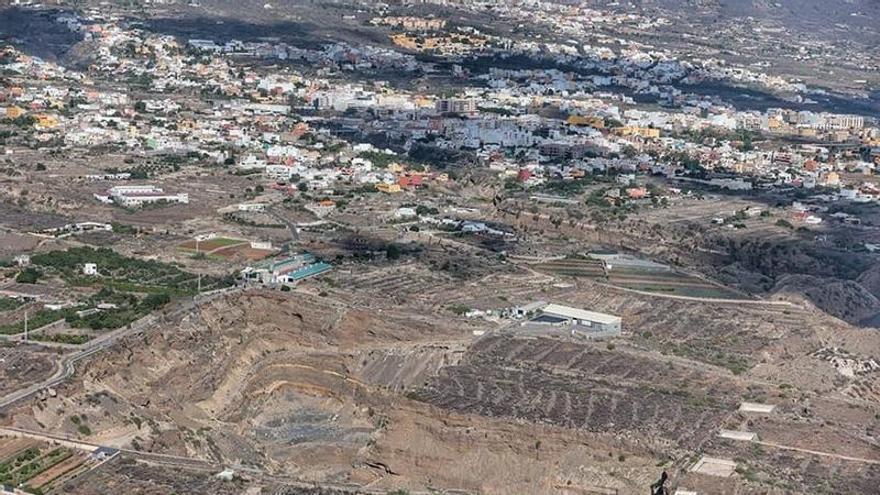
Tenerife is moving forward with plans for a major pumped-storage hydroelectric plant in the Barranco de Badajoz, Güímar. Following a recent meeting between the Island Council and Red Eléctrica de España, officials confirmed that the administrative process for this project will begin before the end of the next six months. The primary goal is to secure a ministerial order from the Ministry for the Ecological Transition, which is required before technical planning and construction can start.
The plant is designed to act as a massive battery, playing a vital role in stabilizing the island’s power supply. With a capacity of over 200 megawatts, it is part of a broader strategy—alongside upgrades to ITER wind turbines and new blackout protection systems—to reach 3,200 megawatts of storage. This would cover roughly one-third of the island’s daily electricity needs, significantly reducing reliance on fossil fuels and helping integrate more renewable energy.
The project will be built on land previously used for illegal quarrying near the TF-1 and TF-28 highways. Island Council President Rosa Dávila noted that the legal issues surrounding the site are nearing an end, with those responsible for the illegal extraction agreeing to pay €185 million in compensation. This allows the Council to frame the project as both an energy necessity and a way to restore a degraded landscape.
The project represents an investment of over €1 billion and is a key step in the archipelago’s move toward decarbonization. While the Ministry began formal procedures in late February, the process remains complex. Once the ministerial order is granted, an environmental impact study must be completed. Construction is expected to take between six and eight years.
Before the central government gives final approval, the project must pass several regulatory checks, including reports from the National Commission on Markets and Competition and the Canary Islands government. By investing in this storage infrastructure, Tenerife aims to strengthen its isolated power grid and shift toward a more sustainable and resilient energy model.