
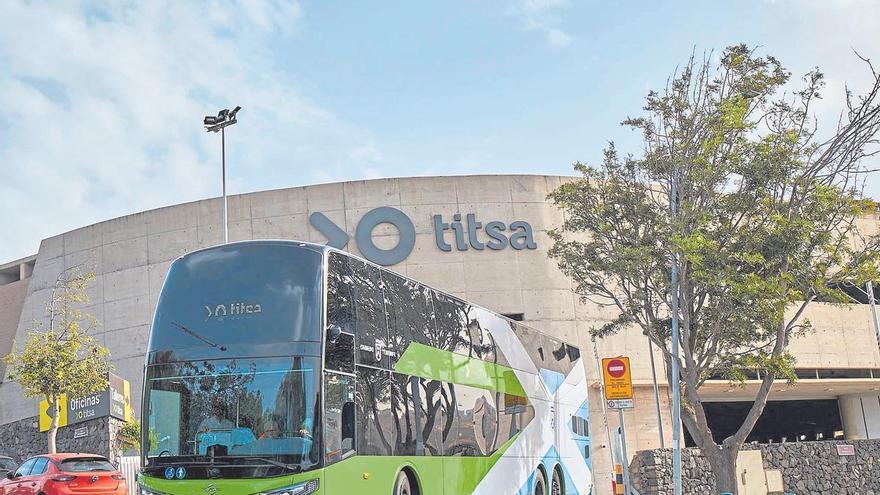
Tenerife Adds Double-Decker Buses to Boost Public Transport Capacity
Tenerife is deploying thirteen new high-capacity double-decker buses to its busiest routes to accommodate record passenger numbers and encourage the shift from private vehicles to public transport.
Tenerife is transforming its public transport network by adding high-capacity, double-decker buses to its busiest routes. The Island Council introduced this change to manage the record-breaking number of passengers currently using the system, particularly on routes connecting the capital to the north and south of the island.
Thirteen new double-decker buses are being added to lines 110, 112, and 108. These vehicles increase seating capacity by 44%, moving from 59 to 85 seats per bus. Last year, these specific routes served four million passengers, mostly local residents. Officials expect this upgrade to increase capacity to six million passengers annually, supporting a growth trend that saw total bus trips rise by over 6% in 2025.
This rollout is part of a larger fleet renewal program, which has seen 351 new buses added over the last three years with an investment of over 125 million euros. The new 15-meter-long buses feature advanced safety technology, including high-definition camera systems instead of traditional mirrors, emergency braking, lane departure warnings, and alcohol interlocks. Titsa staff are currently undergoing specialized training to operate these larger, more complex vehicles.
The new buses are also designed for better accessibility and comfort. They include electric and manual ramps, lighting for passengers with visual impairments, Wi-Fi, USB charging ports, and individual seat belts.
This modernization plan will continue with the arrival of 57 more units this year and another 25 by 2027. By keeping the average age of the fleet at just three years, the Island Council hopes to encourage more people to switch from private cars to public transport. This goal is further supported by the island’s free travel policy for frequent passengers, which has already helped the network reach record highs in both ridership and service availability.