
Teide National Park Overhauls Management With Strict New Surveillance Model
Teide National Park has implemented a strict new surveillance model and increased staffing under the Cabildo de Tenerife to manage record visitor numbers and protect its unique UNESCO-listed ecosystem.
Teide National Park has entered a new era of management following the official transfer of authority to the Cabildo de Tenerife in May 2026. After a period of limited oversight, the park has adopted a strict surveillance model designed to protect its unique landscape while managing the 5.1 million visitors who arrived in 2025.
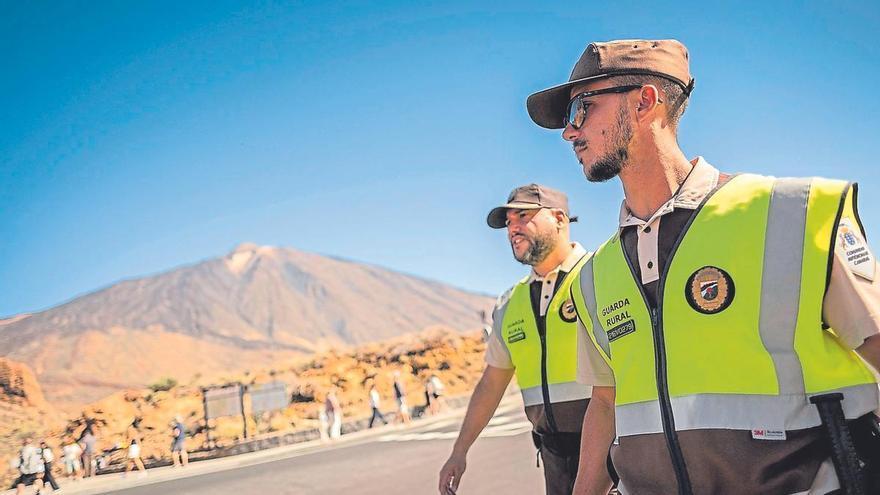
The core of this change is a significant increase in staff. The surveillance team has grown to 32 environmental agents and rural guards, ensuring a constant presence at key locations. This team is now enforcing the Master Plan for Use and Management (PRUG), which took effect in December 2025. The impact of this increased oversight is clear: in just one quarter, staff recorded 1,300 interventions and initiated 120 disciplinary proceedings.
However, Blanca Pérez, the Minister of the Natural Environment, emphasizes that the goal is education rather than just enforcement. Key initiatives include a smoking ban introduced in June 2025, as well as strict monitoring of hiking, parking, and the protection of local plants and animals. To ensure comprehensive coverage, the Cabildo is working closely with the Canary Islands Police, the Civil Guard, and local firefighting teams.
These measures are vital for protecting an ecosystem home to 168 plant species, many of which are found nowhere else. The park is also tackling environmental threats, such as the invasive mouflon population, which officials aim to eradicate within five years. Current management also includes visitor limits, such as the 300-person daily cap for climbing the peak, an eco-tax for non-residents, and the recent reopening of the Altavista refuge.
Looking ahead, the Cabildo is developing a mobility plan to reduce the environmental impact of private vehicles by prioritizing public transport. This strategy aims to ensure that the visitor experience remains compatible with the preservation of this UNESCO World Heritage site, using surveillance as a tool to guarantee the park's long-term health.