
Teide National Park Faces Biodiversity Loss as Climate Change Drives Faunal Homogenization
A study by the University of La Laguna reveals that climate change is causing faunal homogenization in Teide National Park, leading to a decline in unique invertebrate diversity.
Teide National Park’s unique high-mountain ecosystem is undergoing a quiet but significant transformation. According to the "Extinctions at the Summit" project, led by the University of La Laguna, the park is experiencing "faunal homogenization"—a process where the distinct biological variety of the volcanic landscape is fading.
Researchers compared current data with records from 30 years ago, originally gathered by Professor Pedro Oromí. Their findings, published in the Biodiversity Data Journal, show that climate change is shifting the makeup of invertebrate communities.
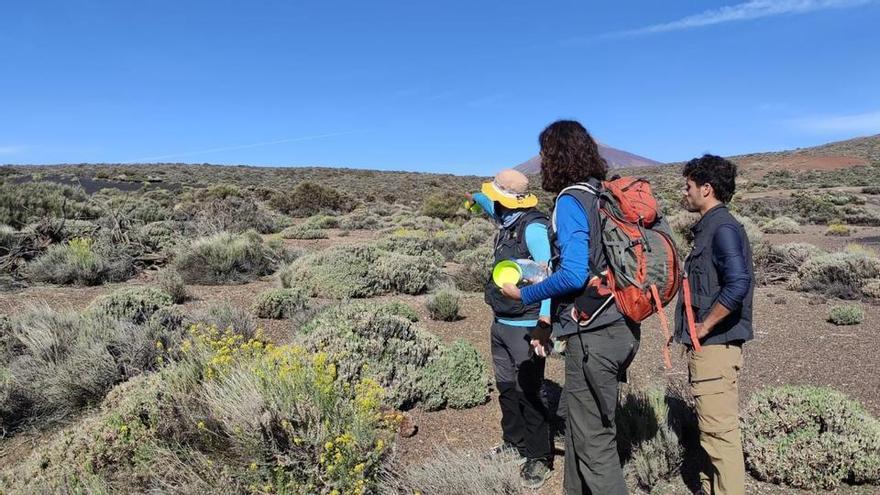
Over three years of fieldwork (2024–2025), a team led by Nuria Macías Hernández and Carlos Ruiz Carreira revisited twelve key locations. While they collected over 21,000 specimens and identified 57 species not previously recorded, the overall diversity has declined. Specifically, populations of flies (Diptera) and bees and wasps (Hymenoptera) have dropped. As these populations shrink, the park’s different areas are becoming more uniform, losing the unique characteristics that once set them apart.
This trend is linked to changes in the local plant life. The native broom (Spartocytisus supranubius) is retreating, while the summit rose (Pterocephalus lasiospermus) is expanding. Experts believe that rising minimum temperatures are allowing species from lower altitudes to move in, while higher average temperatures and less rainfall are making it harder for native wildlife to survive. For now, however, the team—which also includes Daniel Suárez—notes that the ecosystem’s core functions remain stable.
To better understand these shifts, the team used advanced DNA barcoding. This allowed them to create a genetic library for spiders, beetles, and pollinators, and even identify "cryptic species"—organisms that look identical but are genetically distinct.
The researchers highlight that these findings underscore the importance of island ecosystems as vital refuges against global warming. Given these structural changes, the team is calling for long-term monitoring and updated conservation policies to protect this critical European biodiversity hotspot.