
Teide National Park Boosts Security with €3.4 Million Investment Amid Record Tourism
The Tenerife Island Council is investing €3.4 million to expand the Teide National Park surveillance team to 27 members in response to record-breaking visitor numbers and a significant rise in environmental infractions.
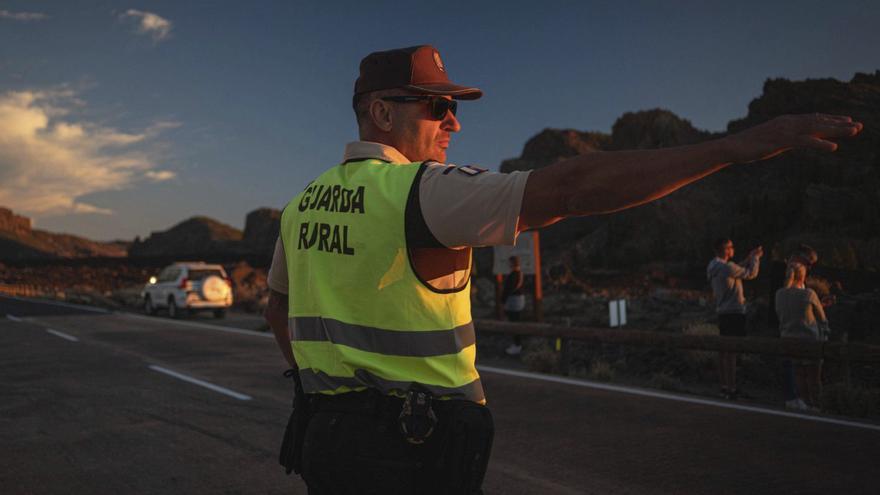
Teide National Park is overhauling how it monitors the area, moving from a skeleton crew of two to a 27-person team. The Tenerife Island Council (Cabildo) has announced a €3.4 million, three-year investment to boost security. This new team includes 12 public environmental agents and 13 privately hired rural guards, who are expected to start work within the next two weeks.
This change comes as the park faces record-breaking crowds. In 2025, Teide welcomed 5.2 million visitors, making it the most visited national park in Europe. This surge in tourism has led to a 358% increase in environmental infractions over the last two years, jumping from 81 cases in 2023 to 371 last year. To combat this, the council is deploying staff to cover both the park’s center and key viewpoints, including Chipeque, Ayosa, Lomo del Retamar, and Los Poleos.
The decision to hire private contractors has sparked political debate. While the island’s leadership argues that the rural guards are highly qualified and will work under the supervision of public agents, the opposition party, the PSOE, has criticized the move. They argue that surveillance in such a sensitive ecological area should be handled entirely by public employees, noting that private staff lack the same legal authority as civil servants.
The Cabildo’s Department of Natural Environment maintains that the move is a practical solution to the challenge of managing 190 square kilometers of land. The new team will be trained in first aid and foreign languages to assist tourists, with their primary focus being fire prevention, emergency coordination, and rapid response. The council hopes this plan will fix long-standing security gaps and help protect the World Heritage site from the pressures of modern-day tourism.