
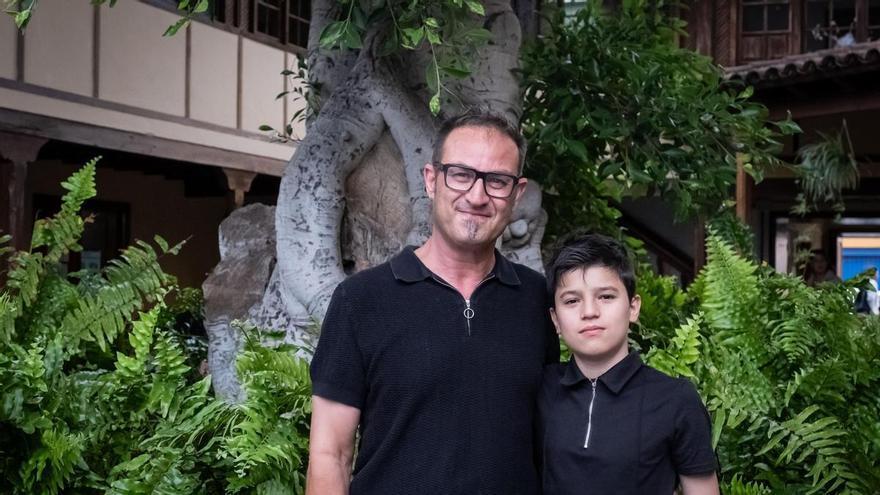
Teenager Uses Social Media to Drive Autism Awareness and Inclusion
Thirteen-year-old Pau Brunet is leveraging his significant social media presence to educate the public on autism and foster greater social inclusion through both digital content and in-person advocacy.
Young people sharing their lives online are changing how we understand neurodivergence. A recent report from Diario de Avisos highlights the story of Pau Brunet, a 13-year-old from Catalonia, who shows how digital platforms can be used for social good rather than just commercial influence. By focusing on autism education, he has turned his online presence into a powerful tool for awareness.
With over half a million followers, Brunet’s project goes beyond simple social media posts. With his family’s guidance, he explains technical concepts—such as "stimming" or the role of occupational therapy—while sharing his personal experiences with school and travel. This approach has resonated with a large audience, leading to his recent appearance at the Buenavista Diversa festival in Tenerife, an event dedicated to social inclusion.
What started as a natural part of his therapy has grown into a professional effort. The Brunet family now combines his online content with in-person talks across the Canary Islands, including upcoming events in La Palma this November. By sharing direct, unfiltered stories, they have created a support network for other families, helping to reduce the stigma surrounding disability.
This trend also sparks important conversations about protecting minors online. In this case, the Brunet family carefully manages all content, keeping a cautious approach to public exposure. Interestingly, Pau himself has a distant relationship with social media, limiting his time online to creating his content rather than consuming it.
The true value of Pau’s work is how it shifts public perception of autism. By sharing his own journey—including his thoughts on resilience and the challenges of changing schools—he educates his audience and encourages adults to rethink their own prejudices. Ultimately, Pau’s story highlights that while technology is useful, there is no substitute for the human connection and real-world interaction found in his in-person events.