
TEA Tenerife Hosts Ninth Edition of Pliegue Festival Celebrating Queer Self-Publishing
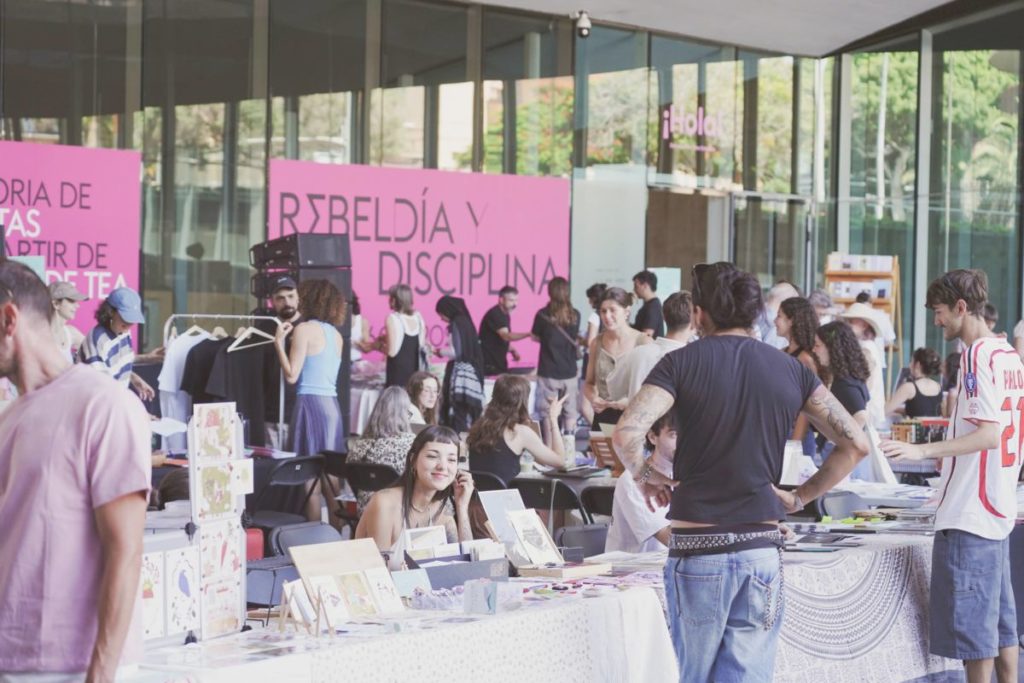
TEA Tenerife Espacio de las Artes hosts the ninth edition of Pliegue this weekend, a two-day event featuring workshops, exhibitions, and talks dedicated to self-publishing and queer culture.
TEA Tenerife Espacio de las Artes is hosting the ninth edition of Pliegue this weekend, a gathering dedicated to self-publishing and queer culture. Coordinated by the documentation lab Onda Corta, the event runs from Friday afternoon, May 17, through Saturday, May 18.
The event challenges the idea of a museum as a static space, instead offering a more interactive approach to how we preserve editorial history. Through workshops, talks, and exhibitions, Pliegue highlights materials often left out of mainstream distribution. Photographer Ricardo Cases kicks off the event on Friday at 5:00 p.m. with a talk on the production and archiving of contemporary photography.
Visitors can also explore the exhibition Arqueologías de un juego pequeño (Archaeologies of a Small Game), curated by Ediciones Comisura, which will be on display in the museum lobby until August 9. Additionally, the collective La Lumbre will present a project that reorganizes the TEA Art Library’s fanzine collection using intuitive and personal criteria, rather than traditional library systems.
Saturday’s schedule features several hands-on activities. These include a workshop on preserving ephemeral documents by publisher Cielo Santo and a session on the politics of self-publishing led by the collective nos vigilan bb and Lara Martínez. Participants can also join the Refugios plásticos (Plastic Refuges) project by the collective re_creo to create containers for printed materials. The day will include a low-sensory time slot and conclude with a musical performance by Irtap from 6:00 p.m. to 8:00 p.m.
Pliegue reflects a growing movement among museums to embrace informal, community-driven practices. By providing a home for materials that defy traditional categorization, TEA is transforming its collection into a space for experimentation, where archiving is treated as a dynamic and shared process.