
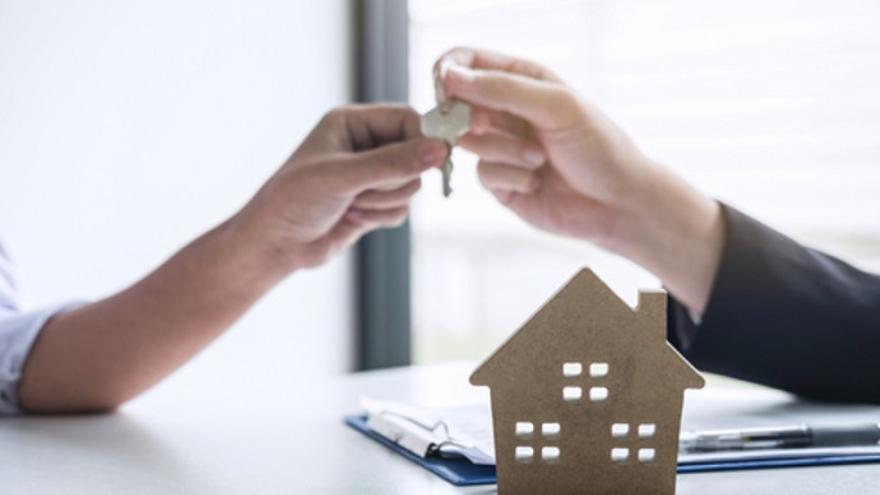
Tax Exemption: Reinvest Home Sale Profits to Save Thousands
Homeowners can avoid capital gains tax on profits from selling their main residence by reinvesting the proceeds into a new primary home within two years.
One of the biggest hurdles when buying or selling a home is dealing with taxes. Whether you're purchasing a brand-new property or a second-hand one, you'll typically need to pay taxes to the Tax Agency. However, there's a specific situation where you might be able to avoid these taxes, according to tax advisor Jose Ramón López Martínez (@tu_blog_fiscal).
Today's property market presents many challenges. Finding your ideal home often involves navigating complex buying and selling processes. Rising land prices and high transaction costs, including taxes, make this task even more difficult.
But there's a way to save thousands of euros: a tax exemption for reinvesting in your main home.
As the expert explains, "when you buy a home, you'll always pay taxes, whether it's your first or not." The same applies when you sell a property and make a profit (a capital gain). However, Spanish tax rules offer a specific scenario where this profit might not be taxed.
Under Personal Income Tax Law, any profit made from selling a property must be declared as a capital gain. These gains are taxed at rates between 19% and 28%, depending on the amount.
José Ramón López gives an example: Imagine you buy a home for €200,000 and later sell it for €300,000. This creates a €100,000 profit, or capital gain, which would usually be taxed on your income tax return. But thanks to the reinvestment exemption, you won't pay tax on this profit if you use all the money from the sale to buy another main home.
He explains: "If you reinvest that €300,000 into another main home costing €350,000, you wouldn't pay tax on the €100,000 profit. This could save you around €20,000 in taxes."
You have a two-year window to reinvest the money. This means you don't have to buy your new home in the same year you sell the old one. You can use this two-year period, either before or after selling your property, to put the funds towards buying your new main residence.
José Ramón López clarifies: "You could sell your main home in 2025, claim the exemption on that year's income tax, and then buy your next home as late as the end of 2026." However, if you don't end up meeting the reinvestment conditions, you must amend your tax return and pay the original taxes, plus any interest.
It's also possible to reinvest only part of the money. If you do, only the portion of the profit that matches the amount you reinvested in your new home will be tax-free.
This reinvestment exemption is a popular strategy for people selling one main home to buy another, particularly in busy city centres and areas where demand for housing is high.