
Tattoo Artist Defies Nueva Línea Management Over Artists' Private Branding Dispute
Tattoo artist Shania Gil is challenging management's attempts to censor photos of former Nueva Línea members, asserting that the artists' personal decisions remain independent of their professional brand.
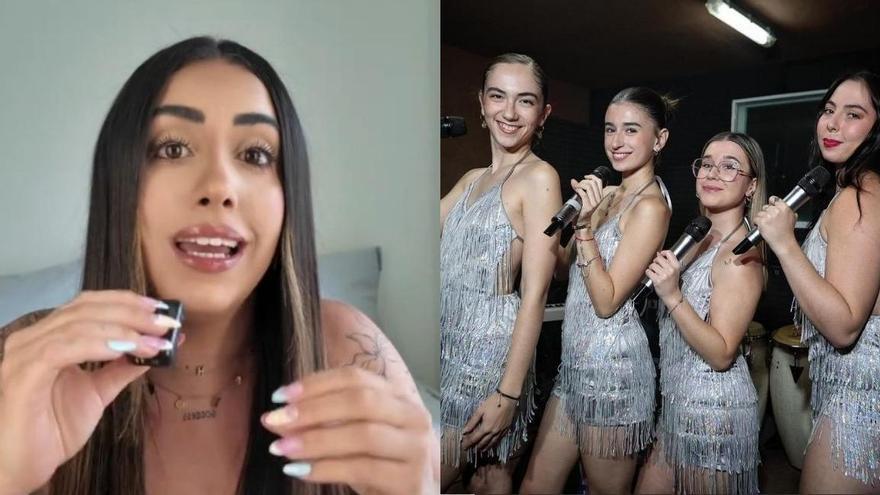
The controversy involving former members of the group Nueva Línea has taken a new turn after tattoo artist Shania Gil spoke out. Gil, who created the design that triggered tensions between the artists and the band’s management, is breaking her silence to clarify that the meeting was not a promotional stunt. She emphasized that Maite, Sofía, Raquel, and Alicia were acting independently in their private lives.
At the heart of the dispute is the struggle to separate the women’s personal identities from the band’s corporate brand. Gil explains that the tattoo—which commemorates a collaboration with the artist Quevedo—was a personal choice, not a band-related project. In fact, she noted that the four women specifically asked that no mention of the band be made during the session to avoid any contractual issues.
Despite these efforts, the group’s management contacted Gil after the photos were posted online, demanding they be taken down. Gil has refused to remove the content, arguing that it does not violate any rights or agreements and that the artists have the freedom to share their personal experiences. This situation highlights the ongoing tension in the music industry between an artist’s private life and their professional obligations.
Gil also addressed the group’s past behavior, distancing herself from a previous parody she felt was inappropriate, while encouraging the artists to remain humble under media pressure. Ultimately, this case shows how corporate control can clash with an individual's right to their own image. By refusing to delete the post, Gil is challenging the extent to which management can dictate the private actions of those they represent.