
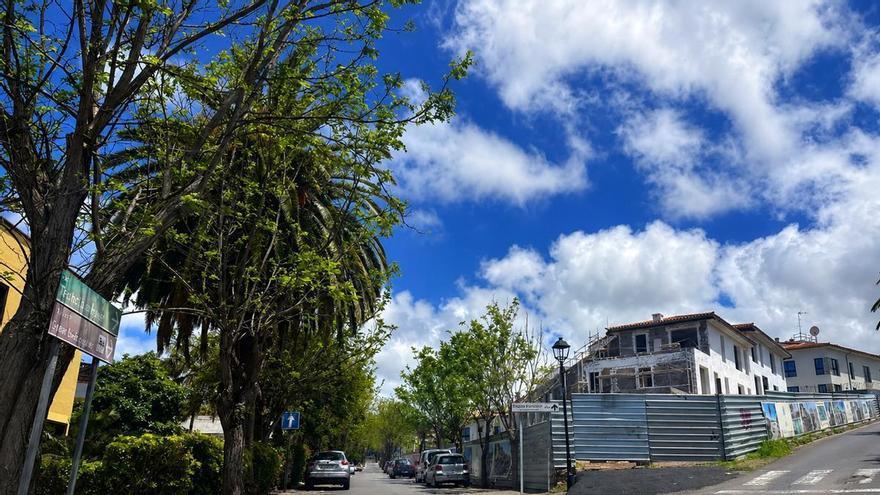
Tacoronte Unblocks Stalled Housing Projects to Revitalize Urban Landscape
The Tacoronte City Council has unblocked five long-stalled residential projects to add 190 new homes and revitalize the municipality's urban landscape.
The real estate market in Tacoronte is showing signs of a major turnaround, marking a shift in how the Tenerife municipality manages its urban development. After decades of stagnation, the local government has successfully unblocked five residential projects that had been stalled since the 2008 financial crisis—and in some cases, since the nineties. This move will eventually add 190 new homes to the area.
This initiative, led by the local coalition government (PSOE, PP, and CC), aims to do more than just provide housing; it seeks to clear away the "concrete skeletons" that have blighted the town’s landscape for years. To make these projects financially viable again, the City Council is relaxing construction deadlines and allowing developers to build in phases. According to Tarsis Morales, the Councilor for Urban Planning, these technical adjustments are essential for attracting the investment needed for large-scale projects.
The development is spread across several key areas. In the town center, between El Durazno and Teobaldo Power streets, 23 apartments will be completed, accompanied by road improvements and new recreational spaces near Hoya Machado Park. Other projects include 42 units in the Carril de Billete sector of Agua García, 22 townhouses in La Caridad, the second phase of La Dehesa III on the Guayonje road, and the completion of the Karimar development.
To protect the public interest, the City Council is taking a strict approach to legal and financial oversight. Developers must provide financial bonds to ensure that, should any issues arise, the municipality has the funds to complete the promised infrastructure. Authorities expect the projects to be finished and ready for the market within three to four years.
This effort reflects a broader trend across the Canary Islands, where a shortage of land and the need to revitalize neglected areas are pushing local governments to take a more active role in urban planning. The ultimate success of this initiative will depend on the Council’s ability to turn these former eyesores into modern, sustainable neighborhoods that meet the needs of the community.